


Your dentist tells you that your upper jawbone is insufficient for traditional implants, and that the only solution is a complicated bone grafting procedure that may take more than a full year. This scenario, faced by thousands of patients annually, once meant either long waiting periods or accepting uncomfortable removable dentures. But medical advancement has introduced a revolutionary solution: Zygomatic Implants.
This advanced technique uses the zygomatic bone—one of the strongest bones in the skull—to anchor artificial teeth, completely bypassing the problem of jawbone deficiency. Patients who had lost hope of having fixed teeth now find in zygomatic implants a real opportunity to restore their smile and confidence.
Turkey—specifically Istanbul—has become a global center for this type of complex implant, combining high medical expertise, modern technology, and reasonable cost. In this comprehensive article, we explore everything you need to know about zygomatic implants as an advanced surgical solution.
Table of Contents
What Are Zygomatic Implants?
Scientific Concept
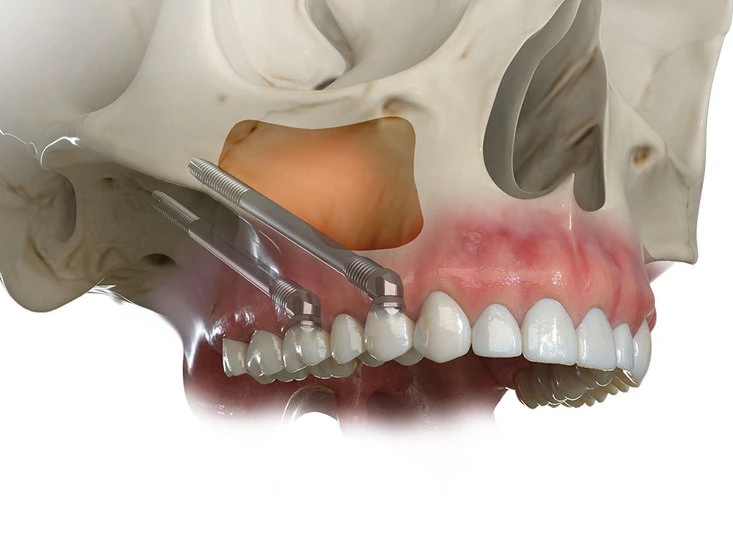
Zygomatic implants are a specialized surgical procedure that involves placing long implants (30–55 mm) into the zygomatic bone instead of the upper jawbone used in traditional implants. The zygomatic bone, also known as the cheekbone, is the second strongest bone in the facial region after the lower jaw and is characterized by extremely high density and structural stability that does not diminish over time.
The zygomatic implant extends from the upper jaw’s back teeth area, passing through or alongside the maxillary sinus cavity, until it reaches the zygomatic bone where it is firmly anchored. This long, precisely calculated path ensures exceptional stability—far superior to traditional implants in cases of severe bone weakness.
The technique relies on the principle of osseointegration, where the medical-grade titanium implant fuses with the natural bone over 3–6 months, forming a strong and stable foundation for artificial teeth.
Why Is It Considered an Exceptional Solution?
The main advantage of zygomatic implants lies in using a bone that does not undergo resorption. While the upper jawbone gradually dissolves after tooth loss—where a patient can lose up to 25% of bone density in the first year—the zygomatic bone retains its strength and density throughout life. This bone does not rely on the presence of teeth to remain healthy, making it the ideal choice for complex cases.
The ability to completely bypass the issue of weak jawbone means that patients previously considered unsuitable for traditional implants now have an effective option. Even in cases of complete loss of the upper jawbone, zygomatic implantation can still be performed successfully.
More importantly, zygomatic implants eliminate the need for complicated and lengthy bone grafting. Traditional bone grafting procedures may take 6–12 months before implants can be placed, and they carry a failure rate of 20–30% in severe cases. Zygomatic implants bypass all of this in a single procedure, with a success rate of 95–98%.
Who Needs Zygomatic Implants? – Candidate Cases
1. Severe Bone Loss in the Upper Jaw
Chronic tooth loss is the most common reason patients require zygomatic implants. When teeth are lost and not replaced for a long period (5 years or more), the jawbone begins a gradual resorption process. Without tooth roots to stimulate the bone through chewing forces, the body considers this bone “unnecessary” and reabsorbs it.
2. Advanced Gum Disease (Periodontitis)
This condition destroys the supporting tissues of the teeth, including the bone surrounding the roots. In advanced stages, bone damage can become so severe that traditional implants are impossible—even after gum treatment.
3. Trauma and Accidents
Injuries affecting the facial area may cause direct loss of parts of the jawbone, or they may damage the blood supply to the bone, leading to later resorption.
4. Failure of Previous Traditional Implants
Repeated implant failure occurs for several reasons, the most important being insufficient bone from the start. Some patients undergo traditional implants despite poor bone quality, hoping for success, but the implants fail to integrate or fail shortly afterward due to lack of proper support.
5. Patients Who Do Not Respond to Bone Grafting
Some individuals—especially smokers, patients with uncontrolled diabetes, or those with osteoporosis—do not achieve adequate bone growth even after multiple grafting procedures. For them, zygomatic implants may be the only remaining solution.
6. Refusal of Bone Grafting Procedures
Many patients, even when bone grafting is technically possible, refuse it due to:
- Long treatment time: 12–18 months from start to final teeth
- Multiple surgeries: 3–4 separate procedures
- High total cost: grafting adds an additional expense to implants
- Fear of failure: with a 20–30% failure rate in complex cases
- Desire for an immediate solution: zygomatic implants offer teeth on the same day
7. Special Medical Cases
Tumor resection patients
Individuals who have undergone surgery to remove benign or malignant tumors from the upper jaw or surrounding areas often lose large portions of bone. Zygomatic implants offer them a chance to restore oral function without the need for complex grafting procedures that may not even be feasible.
Severe Trauma and Accident Cases
Such as car accidents or sports injuries that cause complex fractures in the upper jaw, where the remaining bone may be insufficient or deformed.
Patients with Severe Jaw Atrophy
This often occurs after wearing removable dentures for many decades. The constant pressure of the denture on the bone accelerates the resorption process, and after 20–30 years, only a “thin strip” of bone may remain—insufficient for any type of traditional implant.
How Do Zygomatic Implants Work? – Procedure Mechanism
The Anatomical Path of the Implant
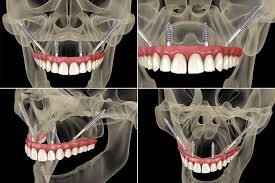
The zygomatic implant follows a precisely defined anatomical path that begins in the area of the premolars or first molars in the upper jaw. From this point, the implant is directed upward and backward at an angle of approximately 30–55 degrees (depending on the patient’s anatomy), heading toward the zygomatic bone.
There are two main techniques for the implant’s path:
1. Intrasinus Technique
The implant passes through the maxillary sinus cavity.
This was the original technique and is still widely used. The implant enters the sinus, exits it, and anchors into the zygomatic bone, with a small portion penetrating the sinus wall.
2. Extrasinus (Exteriorized) Technique
The implant passes completely outside the maxillary sinus cavity, running along the outer wall of the upper jaw.
This newer technique reduces the risk of sinus complications and has become the preferred option for many surgeons.
The surgeon determines the best technique based on:
- The shape and size of the patient’s sinus
- The amount of remaining upper jawbone
- The health condition of the sinuses
- The surgeon’s expertise and preferred approach
Implant Length and Stability
The key difference between zygomatic and traditional implants is the implant length.
While traditional implants are typically 10–15 mm, zygomatic implants range from 30–55 mm, depending on the distance from the starting point in the jaw to the anchoring depth in the zygomatic bone.
This exceptional length provides several critical advantages:
1. Strong Primary Stability
Because of their long length, the implants pass through multiple layers of dense bone, providing immediate stability strong enough to support temporary teeth on the same day of surgery.
This stability is measured by a unit called Insertion Torque, which must exceed 35–45 N/cm to allow immediate loading.
2. Long-Term Stability
The large surface area of the implant allows extensive osseointegration, ensuring stability that can last for decades.
The greater the contact between titanium and bone, the stronger the long-term bond.
3. Ability to Withstand High Chewing Forces
Studies show that zygomatic implants can withstand 90–95% of the chewing force of natural teeth, a higher percentage than traditional implants placed in weak or thin bone.
Osseointegration
Osseointegration is the biological process through which living bone cells fuse with the titanium surface of the implant, forming a direct structural connection with no fibrous tissue in between.
In zygomatic implants, this process occurs in stages:
Stage 1 (First 2 weeks):
A blood clot forms around the implant, and initial new bone tissue (woven bone) begins to develop.
Stage 2 (6–12 weeks):
The early bone is replaced by denser, more mature lamellar bone.
Stage 3 (3–6 months):
Osseointegration is completed, with 70–90% of the implant surface fused with the natural bone, making it a permanent part of the facial structure.
Complete healing takes around 4–6 months in most cases.
During this period, the patient can use temporary teeth carefully but should avoid excessive pressure. After full integration, the strong permanent teeth are installed, capable of handling all types of foods.
Zygomatic Implants vs. Alternative Options
Comprehensive Comparison: Which Is Best for Your Case?
Comparison Table
| Criteria | Bone Grafting + Traditional Implants | Zygomatic Implants |
|---|---|---|
| Total Treatment Duration | 12–18 months | 4–6 months |
| Number of Surgical Procedures | 3–4 separate surgeries | One surgical procedure |
| Required Trips to Turkey | 3–4 trips (6–9 months between each) | Only 2 trips (4–6 months apart) |
| Stay Duration per Visit | 7–10 days each visit | 5–7 days (first visit), 3–4 days (second visit) |
| Receiving Fixed Teeth | After completing all stages (12–18 months) | Same day as the procedure |
| Documented Success Rate | 70–80% in difficult cases | 95–98% |
| Risk of Failure & Reoperation | 20–30%—graft may fail and need repeating | Very rare (2–5%) |
| Level of Discomfort & Pain | Repeated pain after every surgery | Moderate discomfort once |
| Dietary Restrictions Duration | Several months (throughout treatment) | Only 4–6 weeks |
| Need for Bone Extraction | Yes (jaw, hip, or synthetic graft) | Not needed (uses existing zygomatic bone) |
| Total Cost | Higher (two surgeries + repeated travel + possible re-grafting) | Relatively lower (one surgery + fewer trips) |
| Suitability for International Patients | Complicated (long follow-up & repeated travel) | Excellent (limited travel, simpler follow-up) |
Long-Term Care for Zygomatic Implants
Daily Care Routine
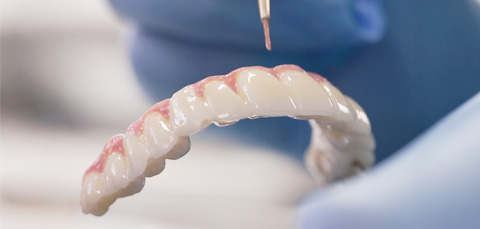
Zygomatic implants are a long-term investment, and proper care ensures that they last for decades.
1. Proper Cleaning
Brushing (Twice daily — 2 minutes each time):
- Use a soft or medium toothbrush (not hard).
- Regular fluoride toothpaste (avoid harsh whitening formulas).
- Gentle circular motions on every tooth.
- Pay special attention to the gumline where the crowns meet the implants.
- Clean the tongue as well to reduce bacteria.
Flossing (Once daily — evening):
- Use implant-specific floss (Super Floss), which is softer and wider.
- Insert gently between teeth and around each crown base.
- Do not forcefully press into the gum.
- If difficult, use an interdental brush instead.
Water Flosser (Waterpik — optional but excellent):
- Use once daily after brushing.
- Medium pressure (not the highest).
- Focus on areas around implants and gums.
- Excellent for cleaning spaces regular floss can’t reach.
Mouthwash (Once or twice daily):
- Choose alcohol-free mouthwash.
- Look for Chlorhexidine or CPC (antibacterial).
- Avoid overuse, as excessive rinsing can cause dry mouth.
2. Recommended and Avoided Products
Recommended:
- High-quality electric toothbrush (Oral-B, Philips Sonicare) — better but not mandatory
- Regular fluoride toothpaste (Colgate, Sensodyne)
- Super Floss for implants and bridges
- Interdental brushes in various sizes
- Medical mouthwash (Listerine Zero, Curasept)
- Waterpik or any reliable water-cleaning device
Avoid:
- Whitening toothpaste — too abrasive and can scratch crowns
- Very hard-bristle toothbrushes — damage gums
- Wooden toothpicks — may cause infection
- Alcohol-based mouthwash — dries the mouth and harms gums
Regular Check-Ups
Routine dental follow-up is essential for the longevity of zygomatic implants.
First Year (Most Important):
- First month: Weekly or bi-weekly checkups
(especially if you’re in another country — remote follow-ups possible) - Months 2–6: Monthly checkups
- After 6 months: Full exam when installing final teeth
- Months 9–12: Checkup every 3 months
After the First Year (Ongoing Routine):
- Checkup every 6 months: the golden standard
- Professional cleaning: at every visit — crucial for removing tartar
- Gum health assessment: checking for inflammation or bleeding
- Implant stability check: ensuring there is no movement
- Bite adjustment: if you feel imbalance when chewing
Radiographic Imaging:
- Panoramic (OPG): once every 1–2 years
- CBCT: every 3–5 years or when a problem is suspected
Purpose:
To evaluate bone levels around the implants and detect early signs of bone loss.
Why Choose Lerra Clinic for Zygomatic Dental Implants?
Choosing the right center is the most important step for the success of zygomatic implant surgery, especially since it is a highly precise procedure that requires advanced expertise and modern techniques.
At Lerra Clinic, we provide a fully integrated medical environment that ensures your treatment journey is safe, comfortable, and seamless—from the very beginning and for many years after the procedure.
What Makes Us Different?
Highly Experienced Surgeons in Advanced Zygomatic Implantology
Our clinic is staffed by doctors with extensive experience in treating severe bone-loss cases and performing zygomatic implants using the latest international protocols.
3D Planning Technology for Maximum Accuracy
We use CBCT scans and advanced simulation software to ensure precise planning of implant positioning and to minimize risks.
Immediate Temporary Teeth on the Same Day
Thanks to the strong primary stability of zygomatic implants, we provide patients with fixed temporary teeth immediately after the procedure, allowing you to continue your normal life without interruption.
Personalized Care for Every Patient
Each patient receives a customized treatment plan based on their medical condition and needs, with close follow-up after surgery to ensure optimal osseointegration.
Clear and Transparent Pricing
We offer comprehensive treatment packages that include accommodation, transportation, and examinations, making your medical trip comfortable and budget-friendly.
Long-Term Follow-Up Even After You Return Home
We stay connected with you step by step through digital follow-up to ensure complete healing and maintain long-lasting results.
With our extensive experience with international patients, we guarantee that your treatment journey will be well-organized, smooth, and clear from start to finish.
Conclusion
Zygomatic dental implants represent a major breakthrough in restorative dentistry. They have opened the door to hope for thousands of patients who were once considered “impossible cases” for traditional implants.
By using the strong and stable zygomatic bone, this technique intelligently bypasses severe bone loss and provides a fast, effective, and permanent solution.
Long-term scientific studies show success rates exceeding 95% over decades. Patients regain their ability to chew and speak normally, and more importantly, they regain their confidence and quality of life.
At Lerra Clinic, we understand that your treatment journey begins the moment you start searching for a solution—and continues for years after the procedure.
We are committed to providing the highest standards of medical care through a specialized team, advanced technology, and comprehensive support covering every stage of your experience—from the initial consultation, through the surgery and stay, all the way to long-term follow-up.
Don’t let bone loss take away your smile.
Zygomatic implants have transformed the lives of thousands around the world—and you can be next.
Contact us today for a free consultation and a complete evaluation of your case.
Your new smile is waiting, and the journey is easier than you think.
Contact us today and get the best offer!
Read Also:
Straumann Dental Implants at Lerra Clinic: Swiss Precision & Long-Lasting Results
Smile Makeover vs. Single Dental Treatments
How Long Do Dental Implants Take in Turkey?
Frequently Asked Questions
How long do zygomatic dental implants last?
Zygomatic implants usually last between 20 to 25 years, and in many cases, they can last a lifetime if the patient maintains proper oral hygiene and attends regular check-ups.
These implants are anchored in the zygomatic bone, which does not resorb over time, providing excellent stability compared to traditional implants.
With good care and routine dental follow-up, complications can be prevented and the implants can last for decades.
Are zygomatic dental implants safe?
Yes. Zygomatic implants are considered very safe when performed by a surgeon specialized in this procedure.
Global success rates range between 95–98%, mainly due to the strong and stable bone used for anchorage.
Although severe bone-loss cases require detailed planning, the procedure is now a highly effective standard treatment for thousands of patients who are not candidates for traditional implants.
What is the difference between zygomatic implants and traditional implants?
The main difference is that zygomatic implants anchor into the zygomatic bone instead of the upper jawbone.
The zygomatic bone is dense and does not resorb, making it ideal for patients with severe maxillary bone loss.
Traditional implants require sufficient jawbone or bone grafting, which can take many months.
Zygomatic implants, however, allow for immediate fixed teeth on the same day.
Can I get fixed teeth on the same day of the zygomatic implant procedure?
Yes. Most patients receive fixed temporary teeth on the same day thanks to the strong primary stability of the implants.
A durable temporary bridge is attached, allowing patients to eat and speak confidently during the healing phase.
After 4–6 months, the final permanent teeth are placed, offering strength and excellent aesthetics.
This option is especially ideal for international patients who prefer fewer visits.
What is the success rate of zygomatic implants in severe cases?
The success rate in severe bone-loss cases ranges between 95–98%, significantly higher than traditional implants combined with bone grafting.
This high success rate is due to the strength of the zygomatic bone and the long implant design that ensures excellent stability from day one.
With proper planning and care, the implants can last for many decades without issues.