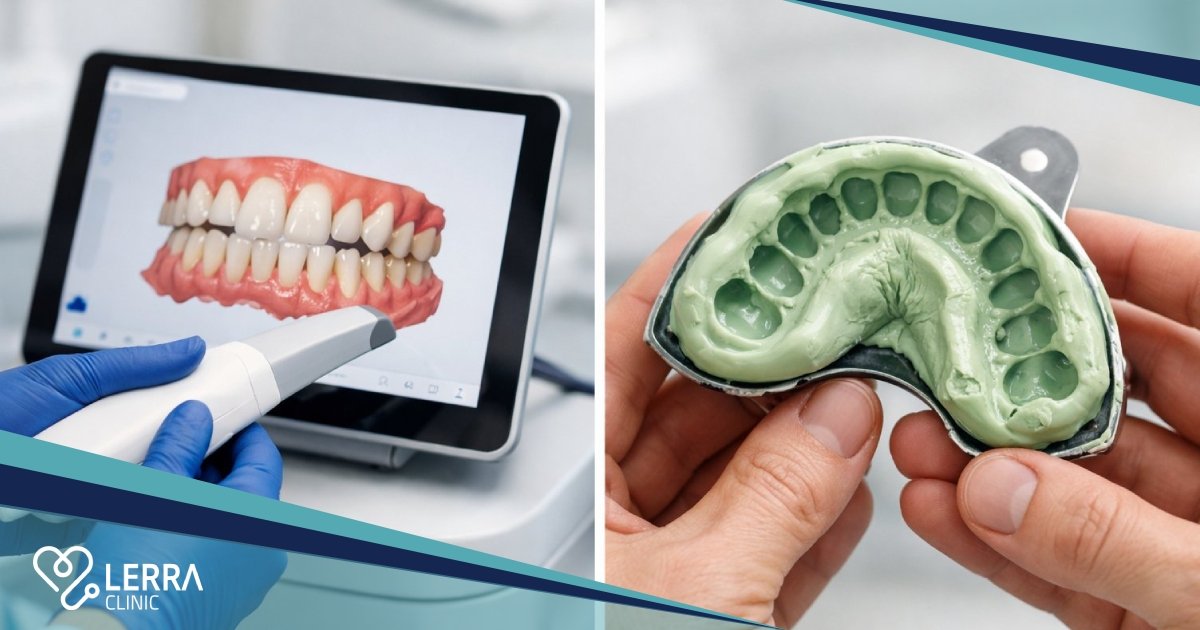
When preparing for any dental treatment in Turkey, a technical question that many people may overlook before travelling arises: Will your dental impression be taken using the traditional method with moulds and impression materials, or with a modern digital scanner?
This comparison between digital and traditional dental impressions is not limited to the outward appearance of the procedure. It also extends to accuracy, patient comfort, and the number of visits required—details that are particularly important for anyone visiting a dental clinic in Istanbul or another Turkish city as part of a trip with a limited duration. In this article, we objectively examine both methods, without any prior preference, so that you can ask the right questions before booking your appointment.
Table of Contents
The Difference Between Traditional and Digital Impressions: A Basic Definition
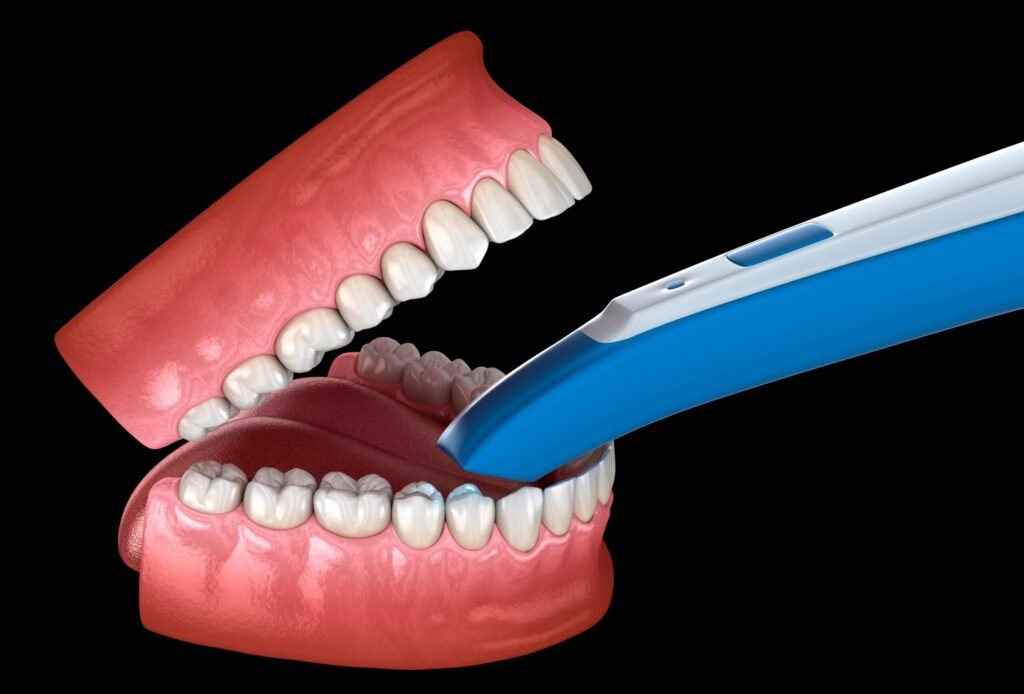
Before going into the details of comparing digital and traditional dental impressions, it is useful to understand how each technique works in simple terms. Both are medically established methods for obtaining an accurate replica of the shape of the teeth and jaws, which is subsequently used to design and manufacture dental restorations such as zirconia crowns, dental veneers and Lumineers, or orthodontic appliances.
Traditional Impression Using Trays and Impression Materials
This method involves placing a viscous impression material—usually silicone-based compounds—inside a metal or plastic tray. The tray is then placed in the patient’s mouth for a few minutes until the material hardens, accurately capturing the shape of the teeth.
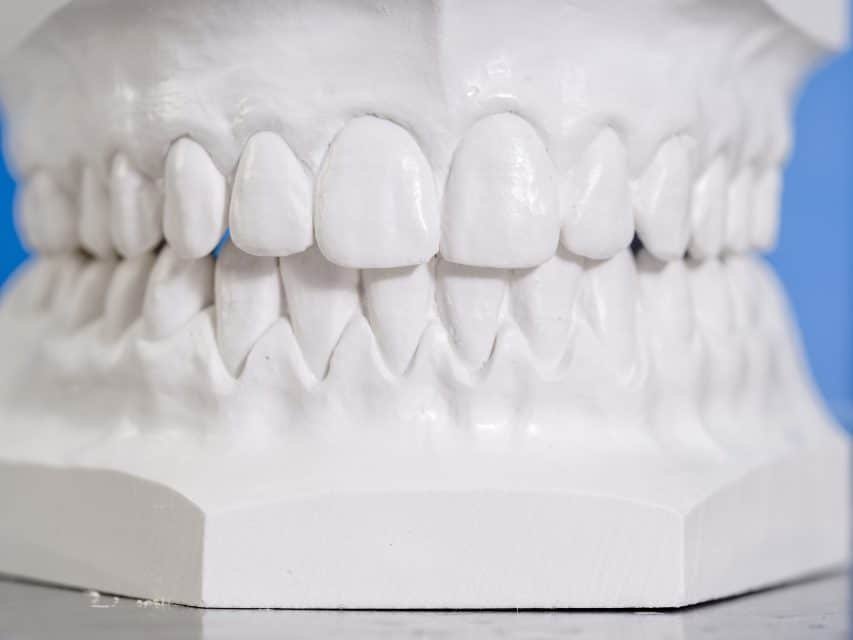
After the tray is removed, it is sent to the laboratory, where plaster is poured into the impression to create a physical model that accurately corresponds to the patient’s mouth. The dental restoration is subsequently fabricated on this model.
This method has been used in dentistry for many decades and remains an accepted option in many cases.
Digital Impression Using an Intraoral Scanner
With this method, a small scanning device—an intraoral scanner—is moved inside the patient’s mouth without any impression materials or trays. It captures thousands of detailed images and immediately converts them into a three-dimensional model displayed on a screen near the dentist and patient.
This digital model can be sent directly to the laboratory or to a CAD/CAM system to design and manufacture the restoration without the need for an intermediate plaster model.
Comprehensive Comparison of the Two Methods
To provide a clear picture, the two methods can be compared across the factors that are most important to patients traveling from abroad.
| Factor | Traditional Impression | Digital Impression |
|---|---|---|
| Accuracy | Clinically acceptable in the majority of cases | Clinically acceptable and sometimes superior in specific cases |
| Comfort | May cause discomfort for some patients | Generally more comfortable, with no impression material in the mouth |
| Time and number of visits | May require repetition in some cases | Usually faster and reduces the likelihood of needing a repeat impression |
| Approximate cost | Varies according to the clinic and case | Varies according to the clinic and case and may be comparable to the traditional method |
Accuracy and Quality of the Final Result
Accuracy is the most frequently discussed factor when comparing the two methods, and research findings in this area are not completely uniform.
A systematic review with meta-analysis published in 2025 in the Journal of Clinical Medicine—concerning the accuracy of intraoral scanning versus conventional impressions for full-arch applications—along with another systematic review published in Evidence-Based Dentistry, part of the Nature group, in 2024 (DOI: 10.1038/s41432-024-01045-z), concluded that the performance of both methods generally falls within clinically acceptable limits for producing restorations with good fit. Some studies found digital impressions superior, while others found traditional impressions superior, depending on the type of case and the extent of the area being captured.
The practical conclusion is that both methods are medically accepted when performed skillfully, and in many cases the actual difference between them is smaller than marketing claims may suggest.
Comfort During the Procedure
For patients who suffer from dental anxiety or a gag reflex—the urge to vomit when the throat or roof of the mouth is touched—the traditional impression can be a genuine challenge. The tray remains in the mouth for several minutes and creates a sensation of pressure and fullness.
Because digital impressions do not require impression materials or trays, they significantly reduce this discomfort for most patients. However, the movement of the scanner inside the mouth may feel slightly unusual to some people at first.
Procedure Time and Number of Visits
This factor is particularly important for patients traveling from abroad with a limited schedule. A traditional impression may occasionally need to be repeated if it does not capture sufficient detail during the first attempt, resulting in additional time.
A digital impression allows the dentist to review the model immediately on the screen and correct any unclear area at once without repeating the entire procedure. In practical terms, this can reduce the number of visits required during a short treatment trip.
Advantages and Disadvantages of Traditional Impressions
Main Advantages
Traditional impressions are a technique that has been tried and tested for decades, with reliable results in the majority of cases. Their cost is also relatively lower than digital impressions in many clinics.
They do not require complex specialized training and are available in virtually every dental clinic, making them a practical option for simple cases or when digital equipment is not available.
Main Disadvantages
Traditional impressions can cause significant discomfort for some patients, particularly those with a sensitive gag reflex.
The resulting plaster model can also be subject to minor distortion during transportation or storage. Some cases may require a new impression if the first one is not sufficiently accurate, which can extend treatment time. This consideration also applies to dental implant cases in Turkey, where impressions are used to design the final restoration placed over the implants.
Advantages and Disadvantages of Digital Impressions
Main Advantages
Digital impressions provide greater patient comfort because there are no impression materials inside the mouth. The model can also be viewed immediately on a screen, allowing any problem to be corrected directly.
Digital impressions also allow the data to be sent electronically to the laboratory without shipping delays and integrate directly with CAD/CAM systems for designing and manufacturing the restoration in fewer steps.
Main Disadvantages
The quality of the result depends on the dentist’s skill and experience in using the device.
In addition, the cost of purchasing digital equipment is high, which may sometimes be reflected in the cost of the procedure at certain clinics compared with the traditional method, although the difference is gradually narrowing as the technology becomes more widespread.
Why Are Dental Clinics in Turkey Moving Toward Digital Scanners?
Keeping Up with Technology as Part of Service Quality
The growing use of intraoral scanners in dental clinics worldwide, including medical-tourism dental clinics in Turkey, reflects a broader trend in the profession toward integrating digital design (CAD/CAM) into the treatment process, from impression-taking through to manufacturing the final restoration.
This shift does not mean that the traditional method is no longer accepted. Rather, digital technology has become an additional tool that enables a more streamlined workflow within the clinic.
The Impact of Technology Specifically on Medical-Tourism Patients
For a patient traveling to Turkey for dental treatment as part of a short trip, reducing the number of visits and avoiding the need to repeat an impression can make a direct practical difference when organizing their time.
A digital scanner allows accurate data to be sent to the laboratory immediately after the initial examination, potentially shortening the period between the initial assessment and delivery of the restoration. This is particularly important for patients planning their treatment trip around only a few days.
How to Make Sure Your Dental Clinic in Turkey Uses Modern Technology Before Traveling
Questions to Ask the Clinic Coordinator Before Booking
Before booking, it is useful to ask directly:
- Does the clinic use an intraoral scanner or the traditional impression method?
- If a scanner is used, what type of device is it?
- Will you need an additional visit if the impression needs to be retaken?
Clear and direct answers to these questions generally reflect the clinic’s transparency and actual level of preparedness.
Practical Signs That a Digital Scanner Is Actually Being Used
Practical signs of genuine digital technology include displaying the three-dimensional model of your teeth on a screen during the same appointment, the absence of viscous impression materials or metal trays during the procedure, and the dentist’s ability to rescan or modify a specific area without repeating the entire scan.
LRC Dental Clinic, the accredited partner of LerraClinic in dentistry in Istanbul, uses this type of digital scanning as part of its protocol for evaluating cases and designing restorations.
Approximate Cost of Digital vs. Traditional Impressions in Turkey
Factors Affecting the Price
The cost of an impression—whether digital or traditional—is influenced by several factors, most notably:
- The type of final restoration required
- The number of teeth included in the treatment
- The clinic handling the case
- The materials used by the laboratory
In general, the price varies according to several factors, and it is preferable to confirm it directly with the clinic team before traveling rather than relying on a general approximate figure.
What Is and Is Not Included in the Price
In most cases, the cost of the impression itself is incorporated into the overall price of the treatment plan rather than being charged as a separate item independently of the restoration.
When requesting a quotation, it is important to confirm whether it includes the initial examination, restoration design, and any follow-up appointments that may be required after delivery, in order to avoid unexpected expenses during the trip.
Steps Involved in a Digital Impression and What Happens Afterwards During Your Visit
Procedure Inside the Clinic: Numbered Sequence
- An initial examination of the mouth is performed and the area to be scanned is identified.
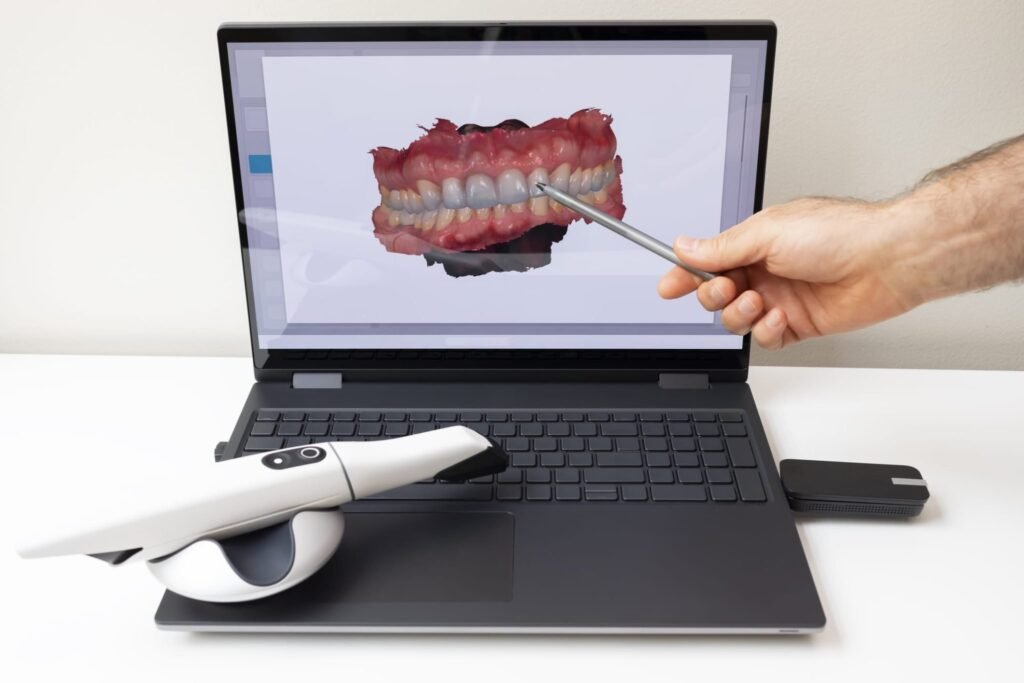
- The scanner tip is gently passed over the teeth and gums in a gradual motion.
- The three-dimensional model progressively appears on the screen in front of the patient and dentist.
- The model is reviewed to ensure that all required details are clear.
- The digital file is sent electronically to the laboratory so that the design process can begin.
It should be noted here, as a standard practical context rather than an exception, that this procedure and the subsequent treatment steps are carried out at an accredited partner clinic or hospital licensed for Turkish medical tourism, while the LerraClinic team coordinates the trip, translation, and post-treatment follow-up.
After the Impression: The Next Step in the Treatment Plan
After the digital model is sent to the laboratory, the restoration is designed using CAD/CAM software and then manufactured according to the specified requirements.
The dentist subsequently schedules the final fitting appointment. The treatment plan may include an initial try-in session to verify the fit before final cementation, particularly in more complex cases such as Hollywood Smile treatments in Turkey, which may involve several restorations at once.
Actual before-and-after dental treatment results can be viewed to develop a realistic understanding of the final outcome.
Arianna Pruse

I had a good experience at the dental clinic. The treatment gave very good results, and I am very happy with the service and care I received. Everything was taken care of Very good hotel, transfers Wanna thank everyone who helped me to get better smile 😊🦷
Paulo Freitas
Sharing here a story from Portugal 🇵🇹 Madeira Island to Lerra Clinic Instanbul 😀
I had a remarkable service from day one with Lerra Dental clinic and I would recommend to anyone without any hesitation! I had a warm welcome at the Airport, the Driver took me immediately to the Clinic for the first meeting, all went well , very clear and they keep their word, they carried they job as accurate as the quotation, no mess around, no hidden extras, very honest clinic.
I have to stress the warm welcome of the Supervisor Mr Youssef, Bayan and Yana, they carried and followed my meetings at the clinic, making sure I was in safe hands, reporting to me on a daily basis at the end of each day.
The transfer service from the Hotel to the Clinic, all done professionally, VIP Service, very polite and kind drivers.
I thank again to the Supervisor Mr Youssef and above all the Dentist Mr Massoud, how followed me from day one, carried all the works at my teeth, extremely careful and gentil doctor, always asking me if I was OK, no pain at all, young Doctor but extremely experienced in the field.
They have done miracles with my teeth, I had 24 Zirconians teeth, lovely smile, beautiful color, truly natural look.
I will visit this clinic again in a few months time to do my Hair Implant without any hesitation, I know I will be in good hands.
Again a BIG thank you Lerra Clinic, I wish you all best and will spread the word about your services across my family and friends.
Keep up with that work 💪
Frequently Asked Questions
Is a digital impression more accurate than a traditional impression?
There is no definitive answer that applies to every case. A systematic review with meta-analysis published in the Journal of Clinical Medicine (2025), together with another review published in Evidence-Based Dentistry (Nature, 2024), compared the two methods and found that their performance generally falls within clinically acceptable limits. Digital impressions performed better in some studies, while traditional impressions performed better in others, depending on the type of case and the extent of the area being captured.
Can a traditional impression be used for all types of dental treatment?
Yes. Traditional impressions are medically accepted and have been successfully used for most dental restoration treatments for decades, including crowns, bridges, and some orthodontic cases.
Does a digital impression require an additional visit when traveling to Turkey?
Usually not. On the contrary, digital impressions reduce the likelihood of requiring an additional visit to retake the impression because the dentist can review the model immediately after scanning and correct any unclear area directly.
Is a digital impression painful or uncomfortable for someone with dental anxiety?
In general, it is more comfortable than a traditional impression because it does not involve the viscous materials or trays that remain inside the mouth for several minutes. This reduces stimulation of the gag reflex for many patients, although the movement of the scanner may feel slightly unusual to some people initially.
How long does a digital impression take compared with a traditional one?
A digital impression generally takes less time because the dentist can see the result immediately on the screen and correct any section without repeating the entire procedure. By contrast, a traditional impression may occasionally need to be completely retaken if it is not sufficiently accurate on the first attempt.
Does the cost of treatment differ depending on the type of impression used?
The price varies according to several factors, particularly the type of restoration, the clinic, and the materials used, rather than necessarily being determined by the type of impression alone.
How can I tell whether the clinic I am visiting in Turkey uses a digital scanner?
You can ask directly about the impression technology used before booking. You can also look for a screen displaying a three-dimensional model of your teeth during the appointment and the absence of impression materials or trays in the mouth during the procedure.
Is a digital impression suitable for all restorations, such as veneers and crowns?
Digital impressions are suitable for the majority of veneer and crown cases. The systematic review published in the Journal of Clinical Medicine (2025) indicates that their accuracy for restorations such as these falls within the clinically acceptable range in many studies.
Conclusion
When comparing digital and traditional dental impressions, whether you choose the traditional or digital method, both techniques are medically accepted and widely used with confidence in dental clinics around the world, including Istanbul clinics specializing in treating medical-tourism patients.
In practical terms, digital impressions tend to be preferred in terms of comfort and reducing the number of visits, which is particularly important for international medical-tourism patients traveling with limited time.
Before booking your trip, contact the LerraClinic team to inquire about the technology used at the partner clinic and to ensure a comfortable and well-organized treatment experience, from the initial consultation through to delivery of the final restoration.
Contact us today and get the best offer!
3D Intraoral Scanner in Turkey