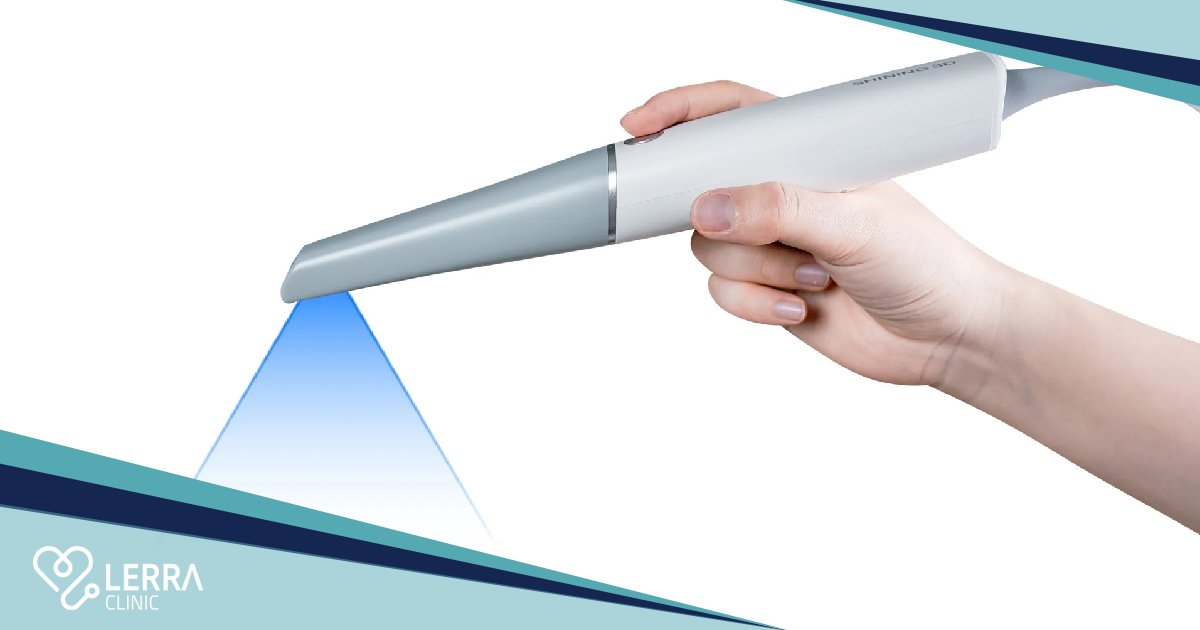
If you are planning to travel to Turkey for dental treatment, one of your main concerns is likely to be how many appointments you will need and how long you will have to stay. A 3D intraoral scanner is one of the technologies that has genuinely changed this process by replacing the traditional, messy impression material with a quick digital scan that does not cause a feeling of choking or gagging.
In this article, we explain how this technology works, why it is particularly relevant for dental tourism patients, the practical difference between digital scanning and traditional silicone impressions, and how it may help reduce the number of days you need to spend in Istanbul without affecting the quality of your treatment plan.
This technology is part of the broader range of dental treatments available in Turkey, where digital technologies have become an essential part of modern treatment planning.
Table of Contents
What Is a 3D Intraoral Scanner?
A 3D intraoral scanner is a medical device that uses a small handheld scanning wand to project optical light inside the mouth and capture thousands of successive images of the teeth and gums.
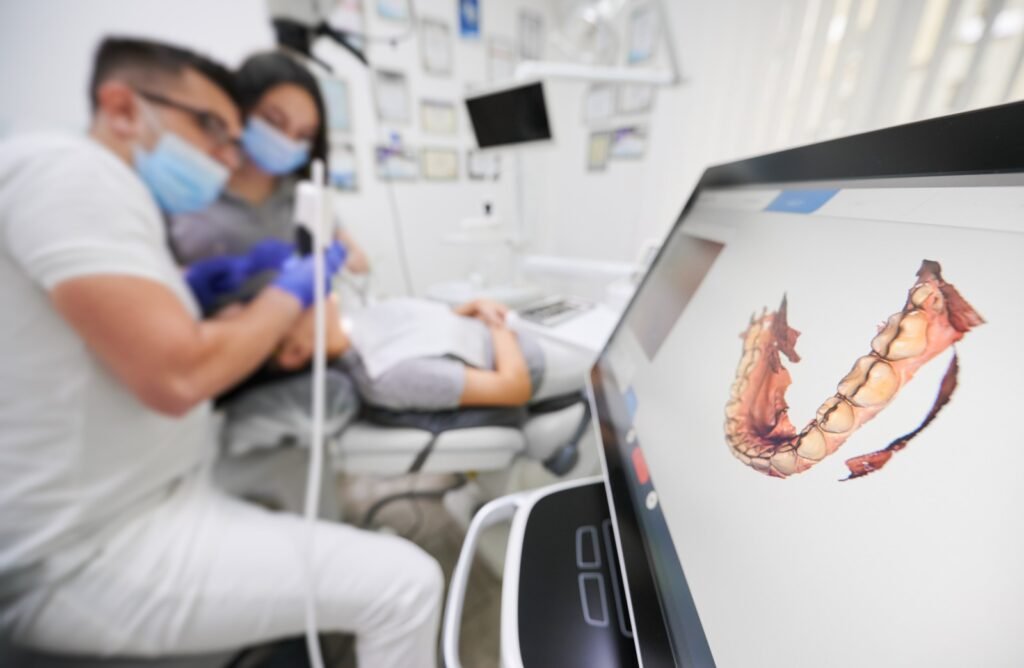
The scanner’s software immediately combines these images into a three-dimensional digital model that can be rotated and enlarged on a screen. Its accuracy allows the dentist to examine fine details in the shape of the teeth and the way the upper and lower teeth come together.
The key idea is that the scanner does not use a physical impression material inside the mouth. Instead, it relies entirely on optical imaging technology, which makes it fundamentally different from a traditional dental impression.
It is important to distinguish between the intraoral scanner as an imaging tool and the treatment plan itself. The device provides accurate data that the dentist can use, but the success of treatment—whether orthodontic treatment, zirconia crowns, or dental implants—still depends on the experience of the dental team and its clinical evaluation, not on the device alone.
How Does a 3D Intraoral Scanner Differ from a Traditional Silicone Impression?
With a traditional impression, the dentist places a metal tray filled with silicone impression material inside the mouth and waits several minutes for the material to set. During this time, many patients experience pressure or a feeling of choking because the mouth is filled with impression material.
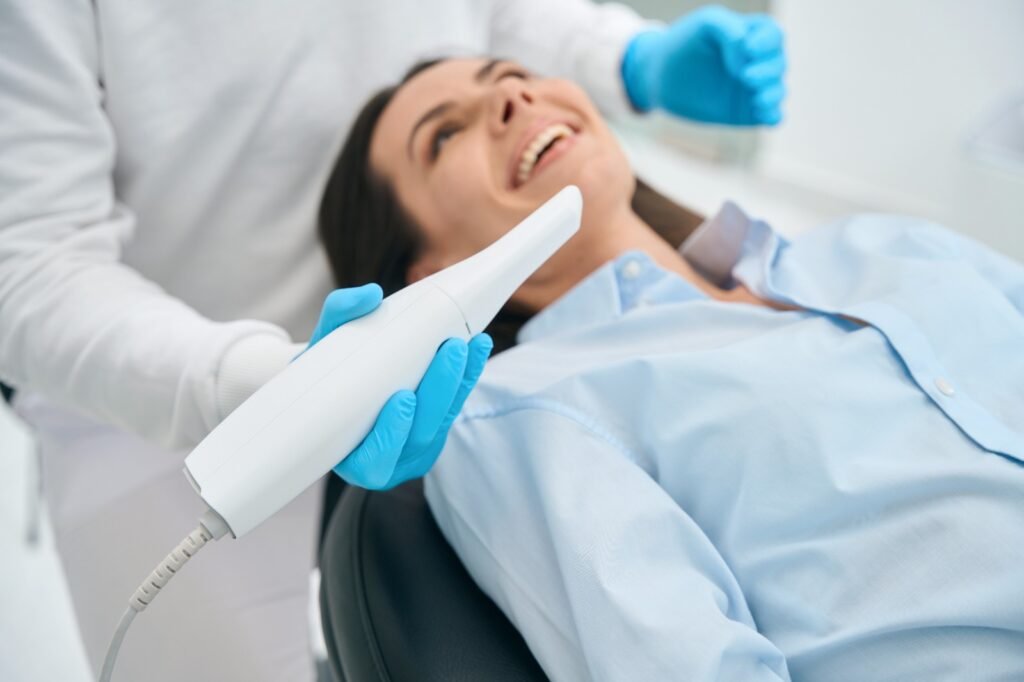
With digital scanning, the scanner’s wand is moved directly over the teeth without using any impression material. This eliminates that sensation and makes the appointment shorter and more comfortable, particularly for patients who are sensitive to the feeling of choking or gagging.
Components of the Scanner and How It Is Used During the Appointment
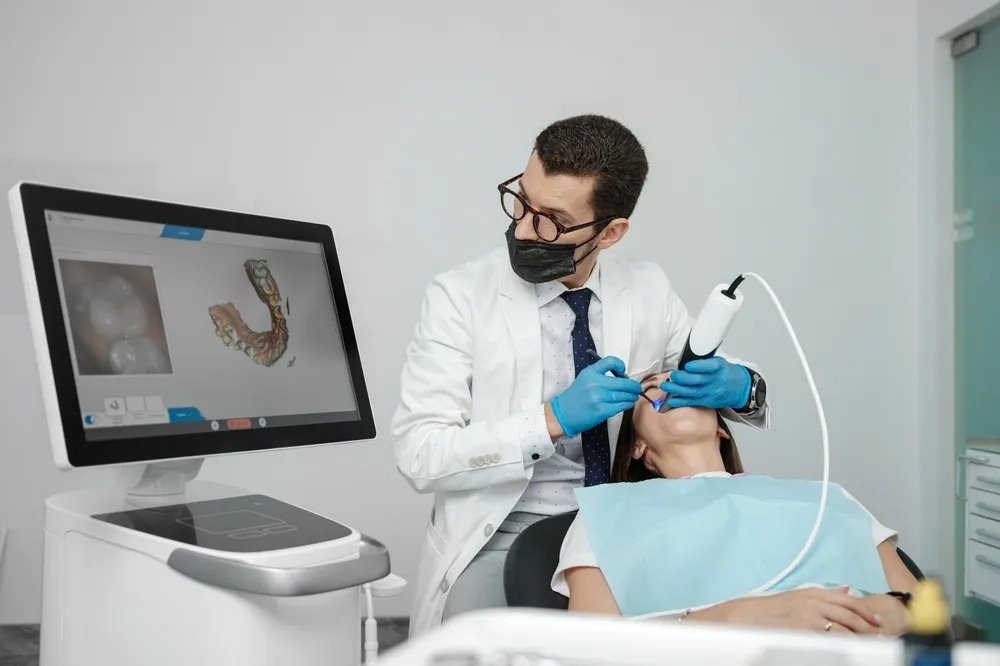
An intraoral scanner consists of a handheld scanning wand connected to a computer or touchscreen display, together with processing software that converts the scan into an immediate three-dimensional model.
The dentist or dental assistant slowly moves the wand over the upper teeth and then the lower teeth while also recording how the upper and lower jaws come together when biting. The result appears progressively on the screen in front of the patient, allowing the condition to be discussed visually during the same appointment.
Why Is This Especially Important for Dental Tourism Patients?
For a patient traveling to Turkey from abroad, every additional day of accommodation means higher travel and accommodation costs, as well as more time away from work or everyday life.
The intraoral scanner can help address this issue because its digital data can be sent immediately to the dental laboratory, without waiting to ship a physical impression or having to repeat the impression if an error occurs.
Fewer Appointments and Visits
Once the digital model is ready immediately after scanning, the laboratory can begin designing a crown, veneer, or orthodontic appliance at almost the same time, rather than waiting for the impression material to set and then physically transporting it.
This parallel workflow can often help reduce the number of visits required as part of the treatment plan.
Physical and Psychological Comfort: No Gagging and No Waiting for the Material to Set
Unlike a traditional impression, which requires the impression material to remain in the mouth for several minutes, digital scanning takes considerably less time while allowing normal movement and breathing throughout the appointment.
This is an important difference for patients undergoing treatment in a new country and possibly communicating in a language other than their native language, as it can reduce the overall stress associated with the appointment.
Greater Accuracy Can Reduce the Need for Repeat Impressions
One of the biggest concerns for dental tourism patients is discovering a measurement error after returning to their home country.
The digital model allows the dentist to review the shape and details immediately on the screen with the patient and correct any unclear area at the same time. This can reduce the possibility of needing another impression later, when the patient is already back home.
Dental Treatments That Use an Intraoral Scanner
The intraoral scanner is used in a wide range of modern digital dental treatments. It is an important part of the digital workflow for zirconia crowns, veneers, clear aligners, and the initial planning of dental implants.
Digital Crowns and Veneers
For crowns and veneers, the dental laboratory uses the digital model as part of an integrated digital workflow known technically as CAD/CAM. This allows the restoration to be designed and manufactured with a high degree of precision so that it matches the shape of the neighboring teeth and the desired appearance of the smile.
The same workflow is also used as part of digital planning for a Hollywood Smile, where the patient may be able to see an approximate preview of the expected result before the actual treatment begins.
Digital impressions are likewise used in the design of dental veneers and Lumineers, as part of the digital process used to plan these restorations.
Digital Planning for Dental Implants
When digitally planning dental implants in Turkey, the digital scan helps the dentist examine the position of neighboring teeth and the available space more precisely.
However, the final decision regarding the type and position of the implant is based on a clinical examination and appropriate dental imaging, not on the intraoral scan alone.
Digital Impression vs. Traditional Silicone Impression
| Criteria | Digital Impression (Intraoral Scanner) | Traditional Silicone Impression |
|---|---|---|
| Appointment time | Usually shorter, with no waiting for material to set | Longer and requires several minutes of waiting |
| Comfort during the procedure | No feeling of choking or pressure from impression material | May cause a feeling of choking for some patients |
| Accuracy | Generally clinically acceptable, although results vary depending on the case and supporting research | Clinically acceptable and may outperform digital impressions in some full-arch cases |
| Need for repeat impressions | Usually lower because the scan can be reviewed immediately on the screen | May be necessary if the material is distorted or there is an error in the cast |
According to systematic scientific reviews comparing the two methods, digital scanning is considered clinically acceptable in terms of accuracy in most cases. However, results vary between studies, particularly in complex full-arch cases, where some research still indicates a relative advantage for traditional impressions in those specific situations.
Step-by-Step: What Happens During an Intraoral Scanning Appointment?
Initial Consultation and Examination
The appointment begins with a general clinical examination of the teeth and gums. During this examination, the dentist discusses the patient’s condition and treatment goals before determining whether digital scanning is appropriate or whether additional X-rays or other examinations are needed.
The Scanning Process: Duration and What It Feels Like
The scanning process usually takes only a few minutes for each arch. Most patients feel only the gentle movement of the scanner over their teeth, with little to no pressure.
The procedure can be paused at any time for a break without affecting the result, unlike a traditional impression where stopping while the material is setting may affect the impression.
Reviewing the 3D Model with the Dentist
After the scan is complete, the dentist displays the digital model on the screen and explains what has been observed in terms of tooth shape and bite alignment.
For crowns, veneers, or clear aligners, the dentist may also show a preliminary visualization of the expected treatment result.
Cost of Using an Intraoral Scanner as Part of the Treatment Plan
The way the cost of using an intraoral scanner is calculated varies from one clinic to another. It is always advisable to confirm the financial details directly with the clinic team before traveling, because the final price is affected by several factors, including the type and scope of treatment.
Is It Charged Separately or Included in the Treatment Package?
In most cases, the cost of using digital technology is included in the overall treatment package rather than being charged as a separate fee, particularly for crowns, veneers, and orthodontic treatments that already rely on a digital workflow.
However, the clinic team should confirm this point when preparing the treatment plan and quotation.
Is an Intraoral Scanner Suitable for Every Type of Dental Treatment?
Digital intraoral scanning is suitable for most crown, veneer, orthodontic, and initial dental implant planning cases.
However, it is not an absolute replacement for traditional impressions in every situation. The treating dentist will make the final decision based on the nature of each individual case.
Cases That May Require an Additional Traditional Impression
In some cases involving complete removable dentures, extensive areas where teeth are missing, or implant cases that require additional accuracy when recording a particular type of tissue, the dentist may prefer to supplement the digital scan with a traditional impression to ensure the best possible result.
Important Disclosure Regarding Where Treatment Is Performed
It is important to note that both the intraoral scanning process and the dental treatment itself are carried out at a partner clinic or hospital that is officially licensed for Turkish health tourism.
The healthcare provider is responsible for the medical examination, diagnosis, and performance of the dental procedure.
Frequently Asked Questions
Is an Intraoral Scan Painful or Does It Cause Gagging?
No. An intraoral scan does not cause pain or a feeling of choking because it does not rely on any material being placed inside the mouth.
The scanner’s wand is simply moved over the teeth. Some patients may feel a gentle movement or very slight pressure, which is normal and should not cause concern.
How Long Does an Intraoral Scanning Appointment Take?
An intraoral scanning appointment usually takes a few minutes for each arch, with the total procedure taking approximately five to ten minutes for the entire mouth.
It may take slightly longer in more complex cases or when additional areas require detailed scanning.
Can the Scanner Be Used for Children and Older Adults?
Yes. An intraoral scanner can be used with most age groups because it is a non-invasive and painless procedure.
Very young children may need more time to become comfortable with the scanner in their mouths. The final decision regarding whether it is suitable for a particular patient is made by the treating dentist after a direct examination.
Is an Intraoral Scanner More Accurate Than a Traditional Impression?
Scientific reviews indicate that the accuracy of digital scanning is close to that of traditional impressions in most cases and is considered clinically acceptable.
However, in some complex cases, such as full-arch cases, traditional impressions continue to show good results in some studies. The most appropriate method depends on the dentist’s assessment of each individual case.
Can an Intraoral Scanner Actually Reduce the Number of Days of My Dental Trip?
In many cases, yes. The immediate transmission of digital data to the dental laboratory can reduce waiting time compared with shipping and transporting a physical impression. It can also reduce the likelihood of needing another impression.
However, the actual number of days required will still depend on the type of treatment and the complexity of the case.
Is the Intraoral Scanner Available at Every Lerra Clinic Partner Facility?
The availability of this technology depends on the partner clinic or hospital to which the patient is referred as part of their treatment package.
Patients are therefore advised to confirm the availability of an intraoral scanner with the Lerra Clinic team in advance when planning their dental treatment journey.
Is There an Additional Cost for Using This Technology?
In most cases, it is not charged as a separate fee and is instead included in the overall treatment package.
However, patients should confirm this directly with the clinic team when their treatment plan is prepared, as the details may vary depending on the type of case.
What Happens If the Dentist Still Needs a Traditional Impression After Using the Scanner?
In some complex cases, the dentist may choose to supplement the digital scan with an additional traditional impression to achieve the best possible accuracy.
This is a normal clinical decision and does not mean there is a problem with the scanner. Rather, it is an additional precaution based on the specific nature of the case.
Conclusion
A 3D intraoral scanner is not simply an additional piece of technology. It is a practical tool that can shorten appointment times, eliminate the feeling of choking associated with traditional impressions, and provide accurate digital records that can reduce the need for repeat impressions.
For patients traveling to Turkey from abroad, these benefits can translate into a shorter and more comfortable dental treatment journey without compromising the quality of treatment planning.
If you are considering dental treatment in Turkey and would like to know whether this technology is available as part of your treatment plan, you can contact the Lerra Clinic team to schedule your free consultation and discuss the details of your treatment journey step by step.
External References
Systematic scientific review on the accuracy of digital scanning compared with conventional impressions (MDPI, 2025).
The Journal of the American Dental Association (JADA) — Scientific article discussing the definition and uses of digital intraoral scanners.
Contact us today and get the best offer!
What Are Immediate Dental Implants?