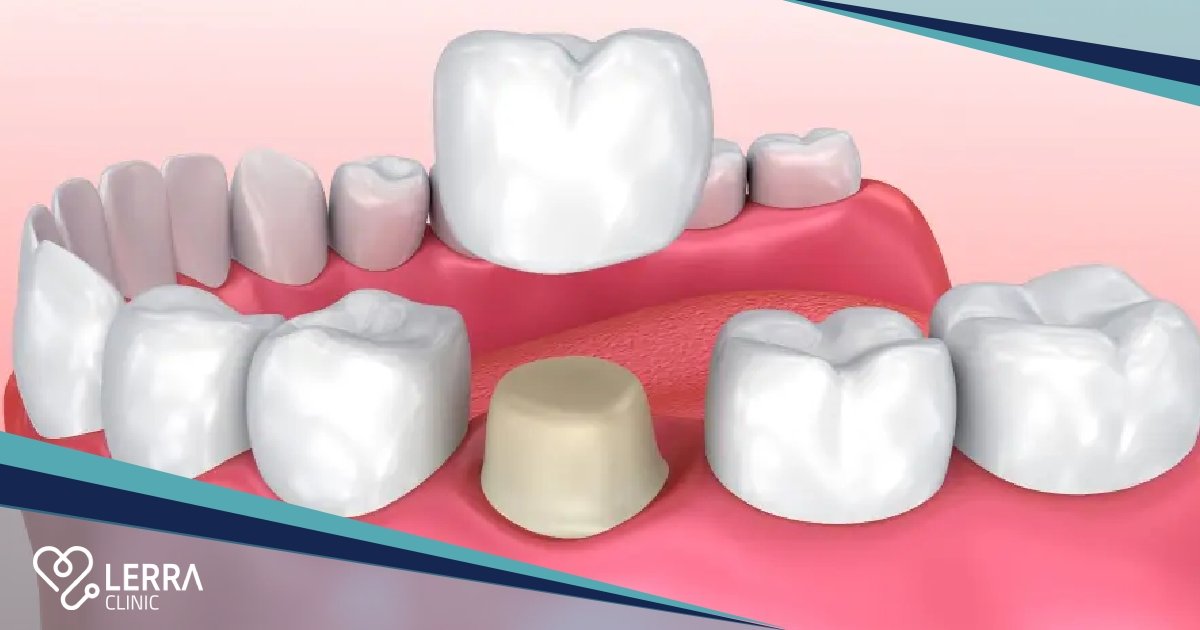
If you are considering getting a dental crown or have recently undergone the procedure, it is completely natural for your first question to be: how long do dental crowns last?
The short answer: 10 to 15 years on average, but the full answer is more detailed than that.
The lifespan of a dental crown is not defined by a fixed number. Instead, it depends on several factors, many of which are within your control. In this article, you will find everything you need to know: the differences between crown types in terms of durability, the factors that extend or shorten their lifespan, warning signs that indicate it may be time for replacement, and practical tips to help your crown last as long as possible.
Whether you are receiving treatment locally or considering traveling abroad for dental care as part of a medical tourism journey, this guide is written for you.
Table of Contents
What Are Dental Crowns and Why Does Their Lifespan Matter?
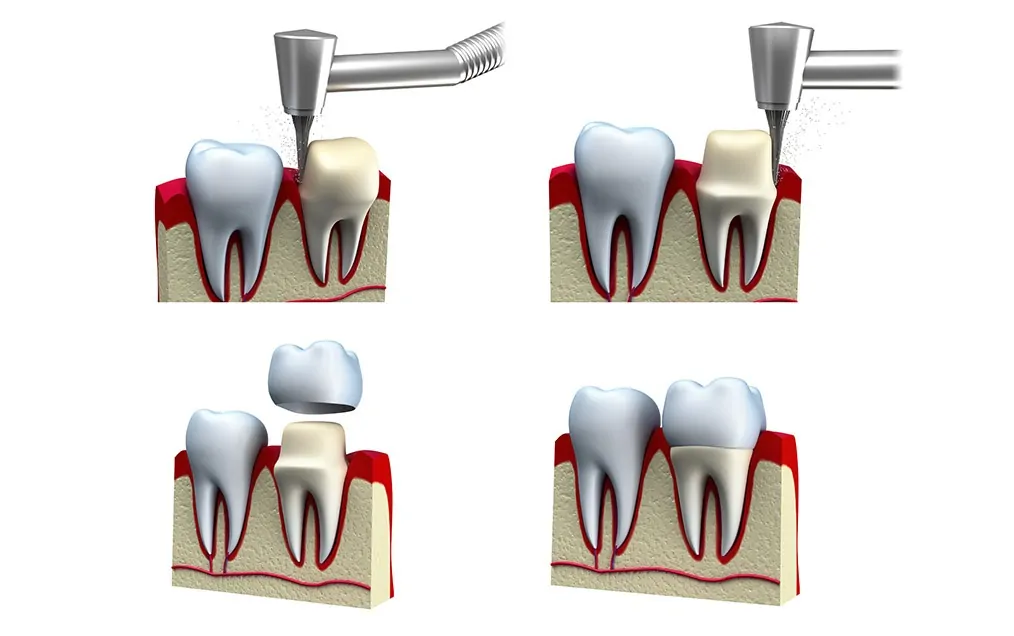
A dental crown is a custom-made artificial cap placed over a damaged or broken tooth to restore its natural shape and full function. This procedure is one of the most common treatments in both cosmetic and restorative dentistry worldwide, with millions of patients choosing it each year to relieve pain and restore confidence in their smile.
The question every patient asks before treatment is: how long do dental crowns last? The answer is not a fixed number, but rather depends on multiple factors that we will explore in detail in this article. Whether you are planning to receive treatment locally or abroad, understanding the expected lifespan of your crown helps you make a confident and well-informed decision.
How Long Do Dental Crowns Last on Average?
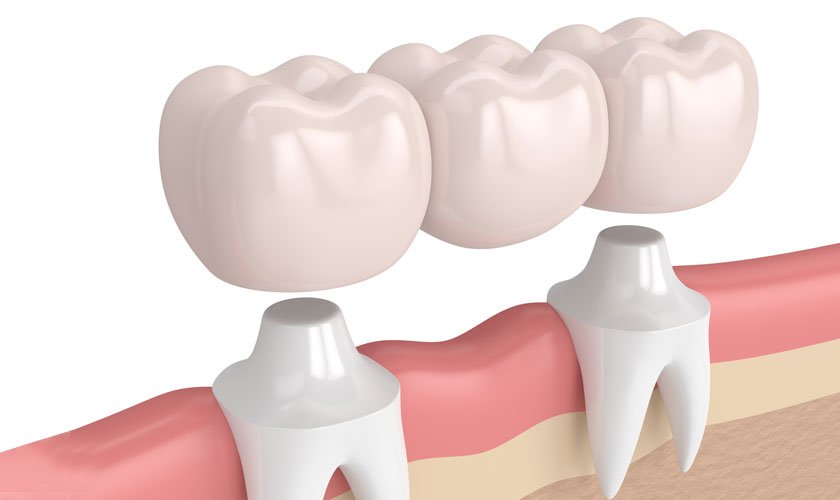
On average, dental crowns last between 10 and 15 years. However, many patients report crowns that continue to function perfectly even after 20 years or more. This variation is not coincidental, but rather a direct result of controllable factors, primarily the quality of the material used, the expertise of the dentist, and the patient’s commitment to daily oral care.
It is important to understand that the correct answer to the question “how long do dental crowns last?” varies from case to case. There is no single number that applies to everyone. What can be said with confidence is that investing in a high-quality crown from the beginning significantly reduces the likelihood of early replacement.
Crown Lifespan by Material Type
The type of material is one of the most important factors influencing a crown’s lifespan. Here is a clear comparison of the available options:
How Long Do Zirconia Crowns Last?
Zirconia crowns are currently the most durable and widely used option. Their lifespan typically ranges between 15 and 25 years, and in some cases, they may last for a very long time under optimal conditions. They are known for their high strength and resistance to fracture, as well as their natural appearance, making them suitable for both front and back teeth.
How Long Do Porcelain-Fused-to-Metal (PFM) Crowns Last?
These crowns were the leading choice for many decades and generally last between 10 and 15 years. They combine the strength of a metal core with the aesthetics of a porcelain outer layer. However, the outer layer may chip over time, and dark lines near the gumline may appear as the years pass.
How Long Do All-Ceramic and E-max Crowns Last?
E-max and all-ceramic crowns provide exceptional aesthetics that closely mimic natural teeth. Their lifespan typically ranges between 10 and 15 years, and with proper care, they may last even longer. They are particularly ideal for front teeth due to their translucency and natural color matching.
How Long Do Metal and Gold Crowns Last?
Although their appearance may not suit everyone, metal and gold crowns remain the longest-lasting option among all types. They can function effectively for more than 20 to 30 years. They are commonly used for back molars that are not visible and are ideal for patients who suffer from nighttime teeth grinding.
Key Factors That Determine How Long Dental Crowns Last
Oral Hygiene and Daily Habits
Daily brushing and flossing are not just routine recommendations—they are the foundation for extending the lifespan of your crown. Plaque buildup around the crown margin can lead to decay in the natural tooth underneath the crown, significantly shortening its lifespan. Additionally, avoiding habits such as biting very hard foods or using your teeth to open packages reduces the risk of early damage.
Crown Location in the Mouth
Crowns placed on back teeth are exposed to significantly higher chewing forces than those on front teeth. This constant pressure accelerates natural wear, which is why stronger materials are often recommended for these areas.
Quality of the Dental Laboratory and the Dentist’s Expertise
This factor is often overlooked in many articles, despite being one of the most influential. A crown produced in a certified laboratory using modern equipment is fundamentally different from one made in a less advanced setting. Likewise, the dentist’s precision in tooth preparation, impression taking, and crown placement plays a critical role in how well the crown fits with the gums and surrounding teeth—and ultimately, how long it will last.
For patients considering dental treatment abroad, verifying the quality of the laboratory and the expertise of the medical team becomes especially important, as follow-up visits may not be easily accessible.
Nighttime Teeth Grinding (Bruxism) and Bite Pressure
Patients who grind their teeth during sleep expose their crowns to excessive and continuous pressure beyond normal use. These patients are advised to use a night guard to protect their crowns. This simple measure can significantly extend the crown’s lifespan by many years.
Regular Dental Check-Ups
Visiting your dentist every six months allows for early detection of any weakness in the crown or decay underneath it. Early intervention prevents minor issues from developing into situations that require full replacement.
Signs That Your Dental Crown Needs Replacement
Cracks or Visible Wear on the Crown Surface
If you notice small cracks or significant wear on the crown surface, this is an early sign that requires evaluation. Cracks do not necessarily mean immediate replacement, but they should be assessed by a dentist to determine whether the crown is still providing adequate protection.
Pain or Sensitivity Around the Crown
Sudden pain or sensitivity to hot or cold around a crowned tooth may indicate decay beneath the crown, nerve damage, or failure of the bonding material. These symptoms require prompt dental attention, as delaying treatment can complicate the condition.
Crown Movement or Loosening
A properly fitted crown should never move. If you feel any slight movement or instability, it likely means the cement has weakened or there is decay underneath the tooth. Acting quickly in this case helps prevent further damage.
How to Extend the Lifespan of Your Dental Crown: Practical Tips
Maintaining your dental crown for as long as possible does not require extraordinary effort—simple, consistent habits are enough:
- Brush your teeth twice daily using fluoride toothpaste
- Pay close attention to the area where the crown meets the gumline
- Use dental floss daily and gently clean around the base of the crown
- Avoid biting very hard foods such as ice, whole nuts, and sticky candies
- Wear a night guard if you suffer from teeth grinding
- Maintain regular dental visits for check-ups and professional cleaning
- Avoid using your teeth as tools to open packages or cut objects
Dental Crowns and Medical Tourism: What Should You Know Before Traveling?
Why Crown Quality Depends on More Than Just the Material
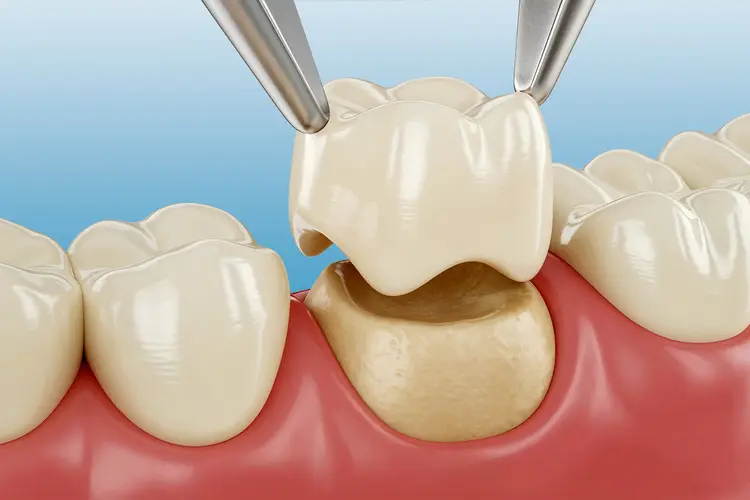
Many patients believe that the difference between a long-lasting crown and one that requires early replacement lies solely in the material. The reality is more complex. The ideal crown is the result of three integrated factors: the dentist’s precision, the laboratory’s quality, and the patient’s commitment to care. When these three elements align, a crown can easily exceed its expected lifespan.
Questions to Ask Before Getting a Crown Abroad
If you are planning dental treatment as part of a medical tourism experience, the following questions are your first line of protection:
- What materials are used in the crown, and what is their origin?
- Is the dental laboratory internationally accredited?
- How does the clinic handle follow-up after you return home?
- Is there a warranty on the crown, and what are its terms?
- What technology is used for impressions—traditional or digital?
Clear answers to these questions provide reassurance and help you make a confident, well-informed decision.
Frequently Asked Questions About Dental Crown Lifespan
How long do dental crowns last without replacement?
Most dental crowns last between 10 and 15 years with proper care. Zirconia and metal crowns may exceed 20 years, while resin crowns (typically temporary) require earlier replacement. The outcome depends on material quality, dentist expertise, daily oral hygiene, and regular dental visits.
Can a dental crown last a lifetime?
There is no guarantee that any crown will last forever, but some zirconia and metal crowns have been documented to function for 25 to 30 years. This is achievable with excellent oral hygiene, avoiding teeth grinding, regular check-ups, and high-quality materials and placement.
How do I know if my dental crown needs replacement?
Key signs include pain or sensitivity around the crowned tooth, visible cracks or wear, crown movement or loosening, and dark lines near the gumline. Decay beneath the crown is another common reason for replacement and can only be confirmed through clinical examination or X-rays.
Does the crown material really affect its lifespan?
Yes, significantly. Zirconia and full metal crowns tend to last the longest, often exceeding 15 years. Porcelain-fused-to-metal crowns last around 10 to 15 years. All-ceramic crowns such as E-max balance aesthetics and durability. Resin crowns are the least durable and are typically used as temporary solutions.
Do crowns done abroad last with the same quality?
Yes, provided the dentist is qualified and the laboratory is certified to international standards. The key factor is not the country, but the clinic’s quality. Patients should verify the dentist’s credentials, laboratory technology, and availability of follow-up care—especially when traveling for dental tourism.
Final Word: Your Investment in a Dental Crown Deserves Proper Care
A dental crown is not just a cosmetic procedure—it is an investment in your oral health and daily quality of life. Statistics show that most crowns last more than a decade, but real patient experiences demonstrate that proper care can extend this to 20 years or more.
The practical takeaway is simple and clear: choose the right material for your case, select an experienced and reputable dentist, and commit to good oral hygiene and regular check-ups. This three-part formula is what separates a crown that needs replacement after seven years from one that performs efficiently for two full decades.
If you are considering dental treatment as part of a medical tourism journey, asking the right questions and choosing the right clinic are the first steps. Our team at Lerra Clinic is ready to answer all your questions and provide you with a personalized treatment plan.
Contact us today to receive a free consultation and a customized treatment plan tailored to your needs.
Contact us today and get the best offer!
Read Also: