


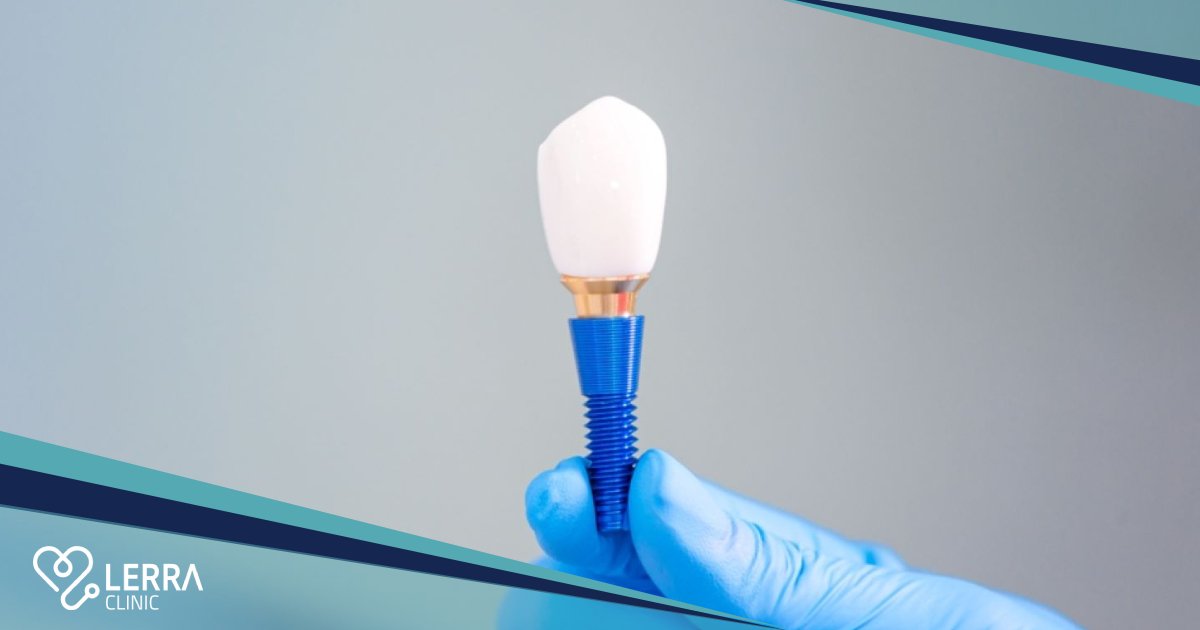
When Should You Avoid Implants?
Medical implants—whether dental implants, hair transplants, or cosmetic implant procedures—are among the most in-demand treatments in the world of medical tourism today. However, the success of these procedures does not depend solely on the surgeon’s skill or the quality of the clinic. It begins much earlier: with how prepared your body is to receive the procedure.
Many people travel thousands of kilometers in search of a better smile or fuller hair, only to discover that there is a medical condition that requires postponement or prior evaluation. This article does not aim to frighten you, but rather to prepare you. Understanding contraindications in advance saves you time and effort, and ensures better results when the time is right.
Table of Contents
Absolute vs. Relative Contraindications: What’s the Difference?
Before going into details, it is important to understand that implant contraindications are divided into two main categories, and this distinction can change everything in your decision.
Absolute Contraindications: When Postponement Is Mandatory
Absolute contraindications are conditions in which the specialist decides not to perform the implant procedure at the present time, because the risks outweigh any potential benefit.
These generally include:
- Active chemotherapy
- Severe untreated bleeding disorders
- Advanced immune diseases in their acute stages
Absolute contraindications do not always mean “never,” but they clearly mean “not now” in a decisive way.
Relative Contraindications: When Postponement Is the Smart Choice
Relative contraindications are more common and less alarming. They include health conditions that can be controlled, such as uncontrolled diabetes, smoking, or treatable low bone density.
In these cases, implants are not ruled out. Instead, the procedure is postponed until the underlying condition is treated. The key difference here is that you are not denied implants—you are being properly prepared for them to succeed.
Why Does This Distinction Matter Before Traveling?
If you are planning to travel abroad for treatment, understanding this difference can save you from an unnecessary trip.
A well-informed patient undergoes initial evaluation before booking a flight, because many relative contraindications can be treated in your home country first, and then the implant procedure can be carried out at your chosen medical destination with confidence and better outcomes.
When Should You Avoid Dental Implants?
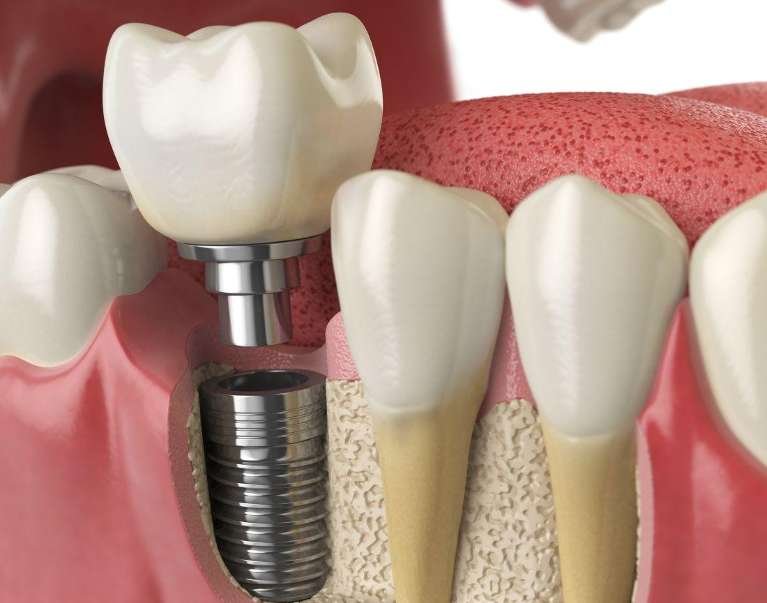
Overview
Dental implants are among the most successful procedures in dentistry worldwide in terms of success rates, yet they remain a surgical procedure that requires a body capable of healing and integrating with the implant.
Active Oral Infections and Untreated Gum Disease
A new tooth cannot be implanted in an unhealthy environment. The presence of active gum infection or jaw infection is a direct contraindication, as bacteria may attack the implant before it integrates with the bone.
The solution is simple: treat the infection first, and once full recovery is achieved, the path becomes clear again. This is not the end of the journey, but a necessary preparation stage.
Low Jawbone Density: Does It Mean Impossibility?
Adequate bone density is essential for implant stability. However, low density does not necessarily mean that implants are impossible.
This can be addressed through:
- Bone grafting techniques
- Zygomatic implants in more complex cases
Early evaluation with 3D imaging is the step that determines the answer.
Uncontrolled Chronic Diseases
Some diseases weaken the body’s ability to heal and accept a foreign object such as a metal implant. The most notable include uncontrolled diabetes, unstable heart disease, and bisphosphonate medications used for osteoporosis, which can interfere with jawbone healing.
All these conditions require coordination with your treating physician before any procedure.
Smoking, Diabetes, and Poor Oral Hygiene
Smoking reduces blood flow to the gums and bone, impairing the integration of the implant during its critical early stage. Uncontrolled diabetes increases the risk of infection and slows healing. Poor oral hygiene turns any successful implant into a long-term failure risk.
The good news: all these factors are modifiable.
Age Factor: Why Are Implants Avoided Before 18?
The jaw is still developing during growth, and placing a fixed structure in it may cause misalignment as development completes. Therefore, dental specialists worldwide recommend waiting until jaw growth is complete, which usually coincides with the end of adolescence.
This is confirmed through imaging, not just chronological age.
When Should You Avoid Hair Transplants?
Hair transplantation is a precise surgical procedure that depends on the quality of donor follicles and the body’s ability to heal. Before getting excited about the final result, ask yourself: is my body ready for this procedure now?
Active Hair Loss: Why Timing Matters
Performing a hair transplant during an active and rapidly progressing hair loss phase is one of the most common mistakes made by impatient patients. If hair loss has not stabilized, the transplanted follicles will remain, but the surrounding natural hair will continue to fall out, leading to an uneven and disappointing result.
Relative stability in hair loss rate is a golden condition before making any decision.
Inflammatory Scalp Conditions
Alopecia totalis and active inflammatory scalp diseases represent significant contraindications, as the transplant requires a stable environment to grow. Immune disorders that attack hair follicles will also attack transplanted follicles if not treated first.
Weak Donor Area
Hair transplantation relies on transferring follicles from a dense donor area, usually the back of the scalp, to affected areas. If the donor area itself is weak or insufficient, the procedure will not be effective and may leave scars without satisfactory results.
A precise evaluation of donor density is essential.
Systemic Diseases and Blood-Thinning Medications
Unstable heart disease, advanced liver and kidney disease, and blood clotting disorders such as hemophilia are serious contraindications for any surgical procedure, including hair transplantation. Additionally, some blood-thinning medications require temporary discontinuation under medical supervision before the procedure.
When Should You Avoid Cosmetic Implant Procedures?
Cosmetic implant procedures include various surgical interventions, all of which require a healthy body capable of tolerating anesthesia, surgery, and recovery.
Active Infections and Cancer Treatment
The presence of an active infection or undergoing chemotherapy or radiotherapy is considered an absolute contraindication for any cosmetic implant procedure. In such cases, the immune system is already under significant strain, and introducing a foreign object may lead to serious complications.
Waiting until treatment is completed and obtaining approval from your physician is non-negotiable.
Autoimmune Diseases and Connective Tissue Disorders
Conditions in which the immune system attacks the body’s own tissues, such as lupus and scleroderma, increase the likelihood of implant rejection or chronic inflammation. These are not always absolute contraindications, but they require careful evaluation by a multidisciplinary medical team.
Psychological Stability and Unrealistic Expectations
Psychological stability is a medically recognized requirement before any cosmetic procedure. A patient undergoing surgery during a period of severe psychological distress, or with exaggerated expectations that may not be fully achievable, is at risk of deep dissatisfaction even if the procedure is technically successful.
Psychological evaluation is not doubt—it is protection.
Pregnancy and Breastfeeding
Pregnancy and breastfeeding are clear temporary contraindications for all cosmetic implant procedures. Hormonal changes and the potential effects of anesthesia on the fetus or infant make postponement the safest and most balanced choice.
Temporary Contraindications: When Is Postponement Smarter Than Permanent Refusal?
Most conditions that patients believe to be permanent barriers are, in reality, temporary challenges that can be resolved. This section answers the most common question: “Does this prevent me forever?”
How Long Should You Wait After Illness or Surgery?
There is no fixed timeframe, but the golden rule is to proceed only when your treating physician confirms that you are in good condition for elective surgery. In most cases, the waiting period ranges from three months to one year after major illness or surgery, depending on the situation.
Controllable Conditions: The Solution Before Traveling
Diabetes, high blood pressure, mild immune deficiencies, and limited bone density issues can all be managed medically before the procedure. Controlling HbA1c levels below 7–8%, strengthening bone, and adjusting medications under medical supervision all open the door to a safe and successful implant.
Planning Your Medical Journey Around Your Health
If you are planning to travel abroad for treatment, start your journey with consultation—not with booking a flight. Early communication with the medical team at your destination allows you to prepare properly in your home country and choose the ideal time to travel when your condition is optimized.
This is what distinguishes the smart medical tourist.
Pre-Surgical Evaluation: What Does Your Doctor Assess?
What Does the Medical Team Evaluate Before Approval?
Pre-surgical evaluation typically includes comprehensive blood tests, CT scans or 3D imaging, blood pressure and cardiac assessment, current medications, and full medical history.
This evaluation is not a formality—it is the foundation on which your personalized treatment plan is built.
Questions You Should Ask During Your Consultation
Before agreeing to any procedure, ask your doctor:
- Does my current health condition affect the implant outcome?
- What should I improve before the procedure?
- Are there alternative treatments if implants are not suitable?
- What is the expected recovery time in my specific case?
These questions reveal a physician who is confident in their methodology and transparent about reality.
Honesty With Your Doctor Protects You
Hiding any part of your medical history—out of embarrassment or fear of rejection—can turn into a real risk to your health. Your doctor needs complete information not to deny you treatment, but to ensure your safety.
Full transparency with your medical team is the first step toward a successful outcome and a safe experience.
Frequently Asked Questions
Does diabetes completely prevent dental implants?
Controlled diabetes is not an absolute contraindication for dental implants. However, uncontrolled diabetes slows healing and increases the risk of infection and early implant failure. With proper medical management, many diabetic patients successfully undergo implant procedures.
Does smoking permanently prevent implants?
Smoking is a major risk factor for implant failure due to its effect on blood flow and tissue healing, but it is not a permanent contraindication. Most doctors recommend quitting smoking for at least two weeks before and after the procedure. Complete cessation significantly improves outcomes.
Can cancer survivors undergo implant procedures?
Active chemotherapy or radiotherapy is an absolute contraindication. However, after completing treatment and receiving approval from the treating physician, many patients can safely undergo implant procedures. The waiting period varies depending on treatment type and recovery.
Are minors always excluded from dental implants?
Dental implants are generally avoided before the age of 18 because jaw growth is not yet complete. This is confirmed through imaging rather than age alone. Once growth is complete, implants become a safe and effective long-term solution.
Does a previous implant failure mean it cannot be attempted again?
A failed implant does not permanently close the door. The first step is identifying the cause of failure—whether infection, bone deficiency, uncontrolled diabetes, or smoking. After addressing the root cause and allowing adequate healing time, a second attempt is often possible and may be even more successful.
Conclusion: “No” Today May Be a Smarter “Yes” Tomorrow
Understanding implant contraindications is not the end of the road—it is the beginning of the right path. Many conditions that initially seem like barriers are simply preparation stages that lead to more successful, safer, and longer-lasting results.
If you are considering dental implants, hair transplantation, or any cosmetic procedure, do not start by searching for the price—start with evaluation. An early medical consultation with a specialized team saves you time, effort, and unrealistic expectations, and places you on a clear path toward the results you deserve.
Contact us today and get the best offer!
Read Also:
How Long Do Dental Crowns Last?