


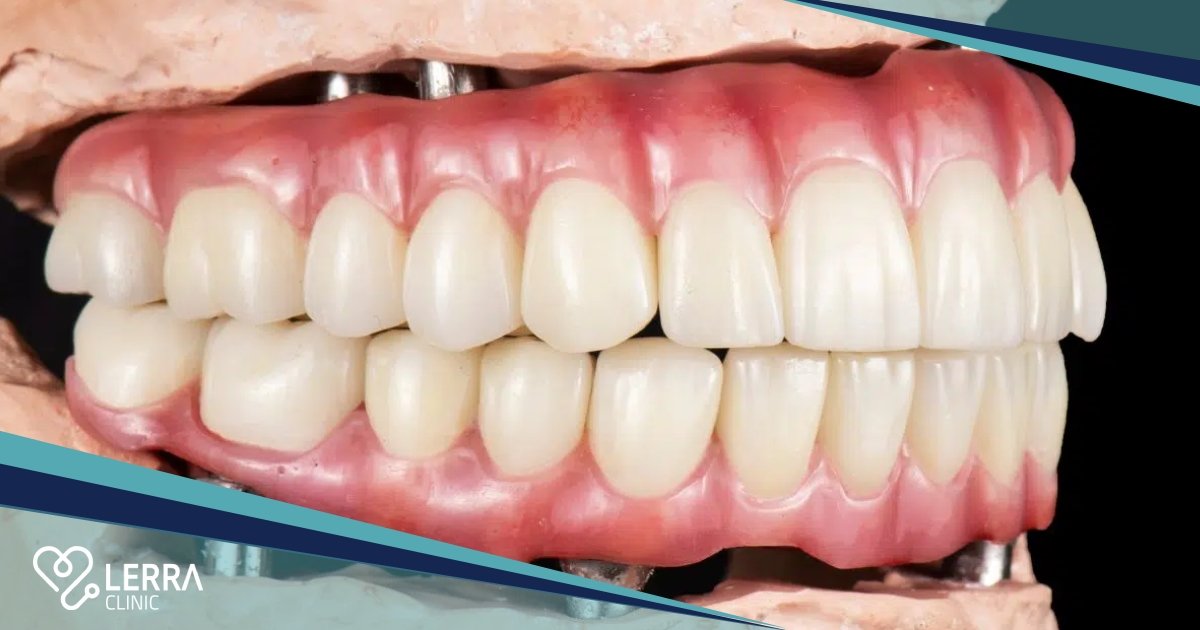
Do you feel unusual pain after a dental implant procedure? Or have you noticed slight movement in the implant? These may be signs that deserve attention. Dental implant failure is not extremely common, but studies indicate that it occurs in approximately 2–5% of cases. In many situations, it can be successfully treated when detected early.
In this comprehensive guide, you will find everything you need to know about dental implant failure—from its definition and main causes to the symptoms you should never ignore and the available treatment options. Understanding the issue properly is the first step toward finding the right solution.
Dental implants are considered one of the most successful procedures in modern dentistry, with success rates ranging between 95% and 98% in most cases. However, failure may still occur in a small percentage of patients due to health-related, technical, or behavioral factors.
Table of Contents
What Is Dental Implant Failure?
Dental implants are a precise medical procedure that relies on the integration of a titanium implant with the jawbone through a biological process known as osseointegration.
When this integration process is disrupted, or when the implant loses stability after initially functioning well, the condition is referred to as dental implant failure.
Early Dental Implant Failure and Its Timeline
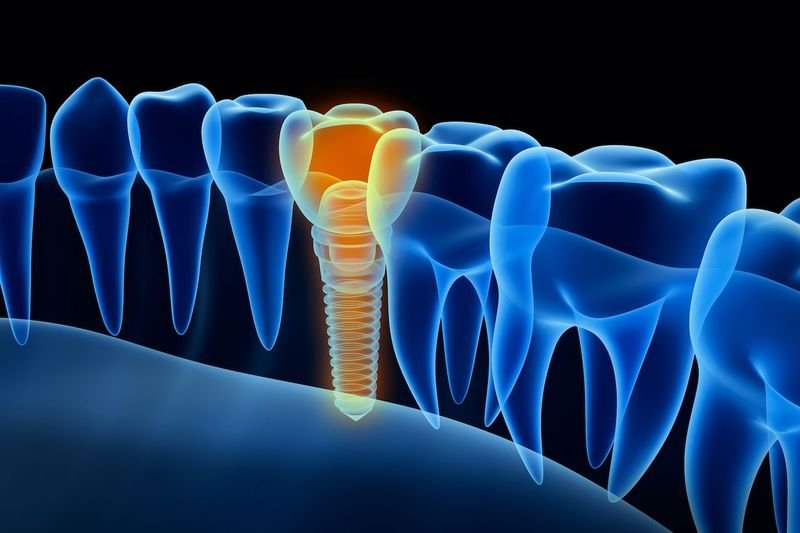
Early implant failure typically occurs within the first four months after the implant procedure, before the osseointegration process is fully completed.
During this period, the implant is still bonding with the bone. Any biological or surgical complication may interrupt this process and lead to early failure.
This type of failure is considered the most common and often the easiest to manage, since it can usually be detected during routine follow-up appointments.
Late Dental Implant Failure and Its Timeline
Late implant failure occurs after the osseointegration process has already been completed and the implant initially appears successful. It may develop months or even years later.
In many cases, late failure is associated with accumulated factors such as:
- bacterial infection around the implant
- excessive mechanical pressure on the implant
- gradual loss of the surrounding bone
The Difference Between Normal Post-Implant Symptoms and Signs of Failure
Many patients feel concerned about symptoms that appear after dental implant surgery, which is completely understandable. However, it is important to distinguish between normal healing symptoms and warning signs that require medical attention.
Normal Symptoms (Days 1–5)
- Mild pain that responds to painkillers
- Moderate swelling during the first two days
- Light bleeding for a few hours after surgery
- Mild sensitivity in the treated area
- Temporary difficulty when chewing
Signs That Require a Dental Visit
- Increasing pain that lasts more than a week
- Swelling that worsens after the third day
- Repeated or persistent bleeding
- Continuous numbness in the lip or jaw
- Noticeable movement of the implant
Causes of Dental Implant Failure: The Most Common Factors
Understanding the causes is the first step toward prevention. Dental implant failure may occur due to several factors that can sometimes overlap. These factors generally fall into three main categories.
Health-Related Factors
Certain medical conditions may reduce the body’s ability to accept the implant and support it with sufficient bone.
Uncontrolled Diabetes
High blood sugar levels may slow down wound healing and increase the risk of infection at the implant site. However, patients who maintain well-controlled blood sugar levels often achieve success rates close to normal.
Osteoporosis
Osteoporosis can reduce the density of the jawbone, making it less capable of supporting the implant. In addition, some medications used to treat osteoporosis, such as bisphosphonates, may affect bone healing in the jaw.
Immune System Disorders
Autoimmune diseases or medications that suppress the immune system may weaken the body’s natural defense mechanisms and increase the risk of infection.
Lifestyle and Behavioral Factors
Certain daily habits can significantly affect the success of dental implants.
Smoking
Smoking is one of the most significant risk factors for dental implant failure. It restricts blood vessels, reduces oxygen supply to tissues, and increases the likelihood of developing peri-implant infections.
Poor Oral Hygiene
Bacterial buildup around the implant base may lead to gum inflammation and eventually to peri-implantitis, which is one of the most common causes of late implant failure.
Teeth Grinding (Bruxism)
Constant pressure caused by nighttime teeth grinding can place excessive force on the implant and compromise its stability over time.
Surgical and Technical Factors
Even when a patient is healthy, certain technical factors during the procedure may increase the risk of failure.
These may include:
- incorrect implant positioning or angulation
- use of low-quality or unreliable implant materials
- inadequate sterilization procedures
- placing functional load on the implant before osseointegration is complete
For this reason, choosing an experienced dental implant specialist plays a crucial role in the success of the procedure.
Osseointegration Failure: What Is It and How Does It Occur?
Osseointegration is the biological process through which the jawbone bonds directly with the titanium implant at the cellular level.
When this process fails, a stable biological connection does not develop. As a result, the implant may remain unstable or gradually become loose.
Possible causes of osseointegration failure include:
- poor bone quality
- excessive heat generation during bone drilling
- infection at the implant site
Symptoms of Dental Implant Failure: When Should You Be Concerned?
Recognizing warning symptoms early can help prevent the problem from worsening.
Early Symptoms
- increasing pain that does not respond to pain medication
- swelling that worsens rather than improves
- repeated bleeding from the implant site
- elevated temperature in the surrounding tissues
- numbness or burning sensation near the implant
Late Symptoms
- movement of the implant during chewing
- pus discharge around the implant
- exposure of part of the implant above the gum line
- pain when pressure is applied to the implant
- bone or gum recession around the implant
How Do Dentists Diagnose Dental Implant Failure?
Diagnosis typically involves both clinical examination and radiographic imaging.
The dentist first evaluates the stability of the implant and the health of the surrounding gum tissue.
Imaging techniques may include:
- panoramic dental X-rays
- 3D cone beam computed tomography (CBCT)
These imaging tools help assess the bone surrounding the implant and detect early signs of bone loss.
In advanced clinics, specialized techniques such as resonance frequency analysis may also be used to measure implant stability more precisely.
Treatment Options for Dental Implant Failure
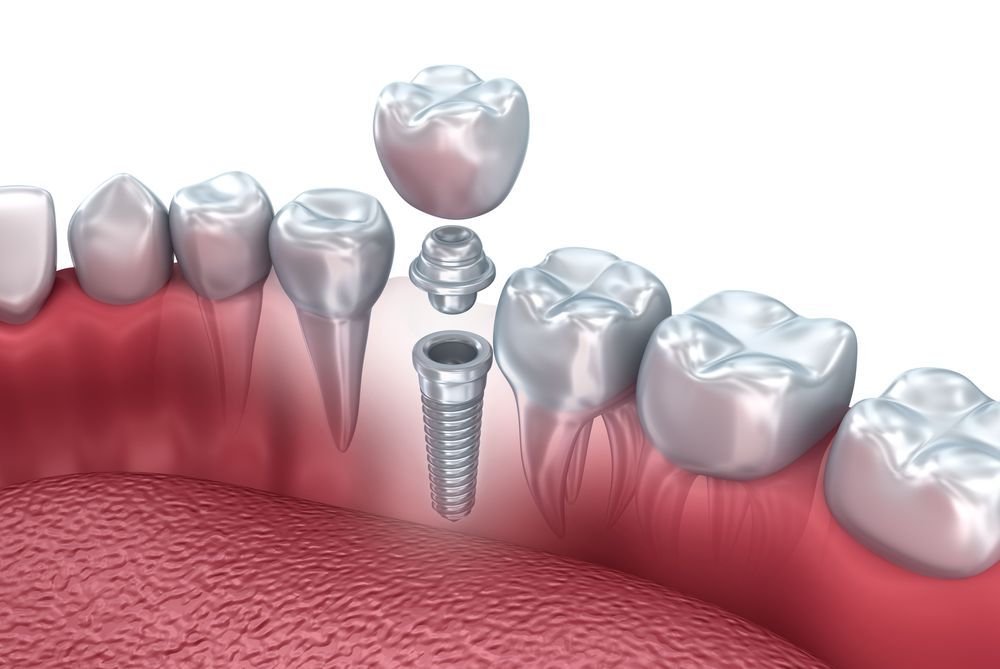
The good news is that dental implant failure does not necessarily mean the end of treatment. Several solutions may be available depending on the severity of the condition.
Non-Surgical Treatment
In early stages, conservative treatment may be sufficient. This may include:
- professional cleaning of the implant to remove bacterial buildup
- use of local or systemic antibiotics
- treatment of inflammation in surrounding tissues
- occlusal adjustments to reduce pressure on the implant
Surgical Treatment and Implant Removal
When the problem is more advanced, surgical intervention may be necessary.
Possible procedures include:
- surgical cleaning of the implant area
- bone regeneration procedures to restore lost bone
- removal of the failed implant when stability is lost
After removal, the bone is usually allowed to heal before considering another implant.
Can Dental Implants Be Replaced After Failure?
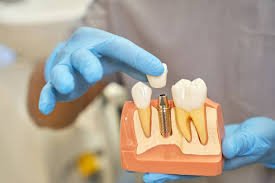
Yes. In many cases, dental implants can be successfully placed again after the cause of failure has been treated.
Studies indicate that the success rate of implant replacement may range between 70% and 90%.
However, certain conditions should be met, including:
- complete treatment of infection
- sufficient bone availability
- adherence to medical recommendations
Dentists typically recommend waiting 4 to 6 months after implant removal before placing a new one.
How to Choose a Reliable Dental Implant Center
Selecting the right clinic is an essential factor in the success of dental implant treatment.
Important factors to consider include:
- the dentist’s experience in implant dentistry
- the use of advanced imaging technologies such as CBCT
- strict adherence to medical sterilization standards
- the use of high-quality, internationally approved implant systems
- availability of a structured follow-up program after treatment
The Role of Medical Tourism in Accessing High-Quality Care
Medical tourism has become a popular option for patients seeking high-quality dental treatment at affordable costs. Many specialized clinics offer comprehensive services that include detailed diagnostics, personalized treatment planning, and structured post-treatment follow-up.
Frequently Asked Questions About Dental Implant Failure
Does dental implant failure always cause severe pain?
Not necessarily. Some cases may initially develop without significant pain, which is why regular dental check-ups are important.
Can dental implants be replaced after failure?
Yes. In many cases, a new implant can be placed successfully after addressing the cause of failure.
How long does recovery take after implant removal?
Healing typically takes 4 to 6 months before a new implant procedure can be considered.
Does smoking increase the risk of implant failure?
Yes. Smoking is one of the most significant risk factors because it slows tissue healing and increases the risk of infection.
What is the difference between peri-implantitis and osseointegration failure?
Peri-implantitis is a bacterial infection affecting the tissues surrounding the implant, while osseointegration failure refers to the implant not bonding with the bone from the beginning.
Conclusion
Dental implant failure can be a concerning experience, but it does not mean the end of treatment. With early diagnosis and proper care, many cases can be successfully treated or replaced with a new implant.
Maintaining good oral hygiene, following your dentist’s instructions, and choosing an experienced dental clinic are key factors in ensuring the long-term success of dental implants.
At Lerra Clinic, our medical team is committed to providing a comprehensive evaluation for every patient and developing personalized treatment plans to achieve the best possible results.
Contact us today and get the best offer!
Read Also:
Zirconia Crowns vs E-max Crowns