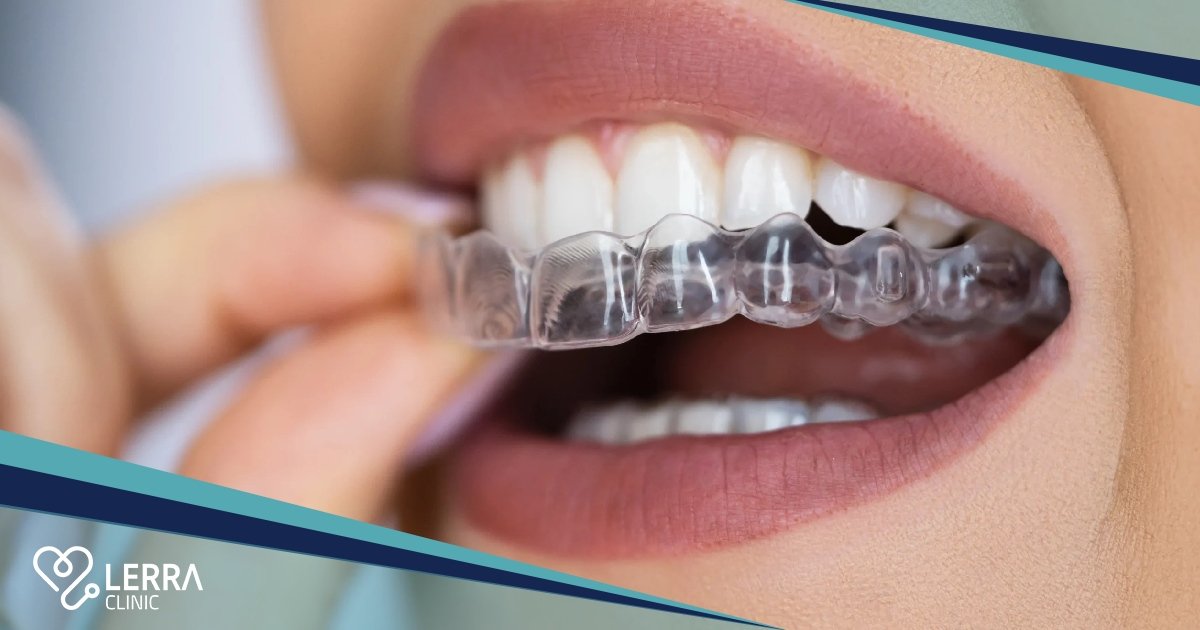
Are you tired of hiding your smile?
Millions of adults around the world experience this feeling every day. They wish for straighter teeth but reject the idea of visible metal braces that remind them of adolescence.
Invisalign clear aligners were designed as the practical solution for this group. Transparent trays that are barely visible, removable, and based on advanced digital technology that allows you to preview your final result before treatment even begins.
In recent years, Istanbul has become a leading medical destination for this type of orthodontic treatment, combining world-class diagnostic quality with significantly lower costs compared to Western Europe or Gulf countries. In this guide, you will find everything you need to know before making your decision: how the treatment works, who it is suitable for, what your full journey looks like at Lerra Clinic in Istanbul, and what makes this option different from others.
Table of Contents
What is Invisalign and how does it work?
The technology behind each aligner
Invisalign is not just a piece of clear plastic placed over teeth. It is a complete treatment system developed by Align Technology over more than two decades of research and development.
Each aligner is made from a patented material called SmartTrack™, a medical-grade transparent polymer blend designed to apply controlled, gentle pressure in predefined directions.
The key difference from traditional aligners lies in engineering precision: each tray is digitally designed to move specific teeth by fractions of a millimeter according to a fully programmed treatment plan created before treatment begins.
ClinCheck® technology: seeing your result before starting
One of the most distinctive features of Invisalign is ClinCheck® 3D treatment planning.
After scanning your mouth, a complete virtual model of your teeth is created, simulating every stage of the treatment until the final result. You can see how your teeth will move month by month on screen.
This level of transparency gives patients strong confidence before starting treatment, which is why many international patients decide quickly and with full peace of mind.
How many aligners and how long does treatment take?
The number of aligners varies depending on the case, usually between 18 and 40 trays for moderate cases.
Each aligner is worn for one to two weeks before switching to the next one. The total treatment duration typically ranges from:
6 months for simple cases (minor crowding or small gaps)
12 to 18 months for moderate to moderately complex cases
The golden rule: 20 to 22 hours of daily wear. This commitment is the key difference between outstanding and mediocre results.
Are you a candidate for Invisalign? Suitable cases and limitations
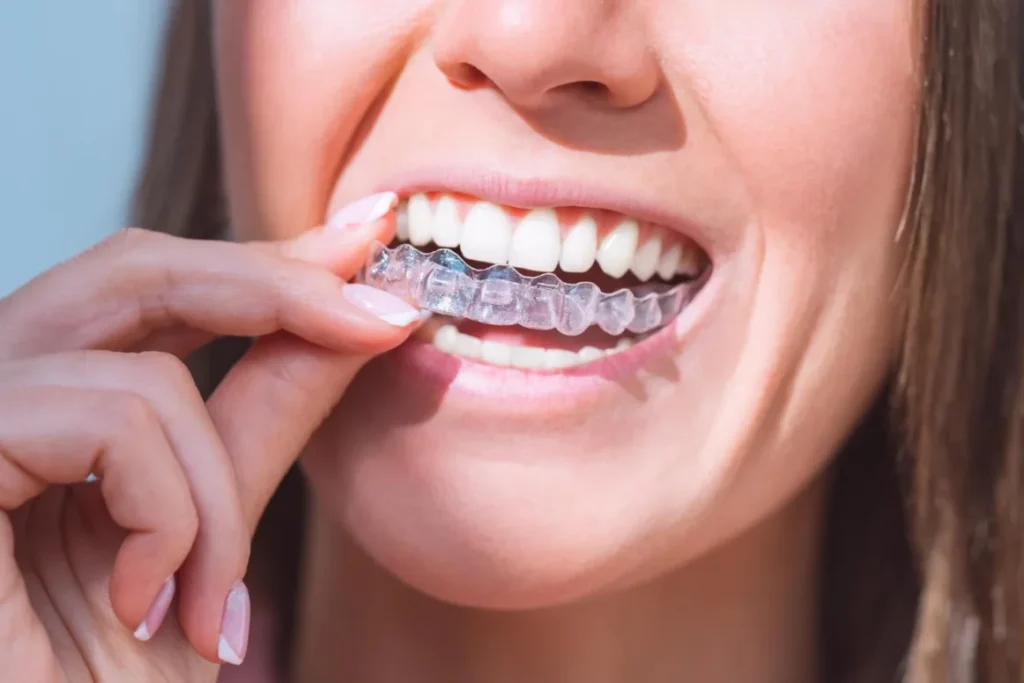
Cases effectively treated with Invisalign
Invisalign is one of the most scientifically studied orthodontic systems and is proven effective for:
Mild to moderate crowding: when teeth are slightly overlapped or crowded (up to around 6 mm), Invisalign produces results comparable to traditional braces according to multiple studies.
Tooth spacing: gaps between teeth, whether in the front or sides, are among the most successfully treated cases.
Mild to moderate malocclusion: including deep bite, open bite, and crossbite cases when within mild to moderate severity.
Relapse after previous orthodontic treatment: common among adults who did not wear retainers consistently after earlier braces treatment.
According to a 2025 systematic review published in Cureus, treatment success depends heavily on digital planning quality and patient compliance with wear time.
When traditional braces may be better
Transparency also means acknowledging limitations.
Traditional braces may be more suitable for:
- Severe skeletal malocclusions requiring stronger orthodontic forces
- Cases requiring major rotation of molars or premolars
- Severe deep bites requiring complex biomechanical correction
- Growing children requiring jaw-guiding appliances
The orthodontist determines the most suitable option after full digital evaluation.
Your Invisalign journey at Lerra Clinic step by step
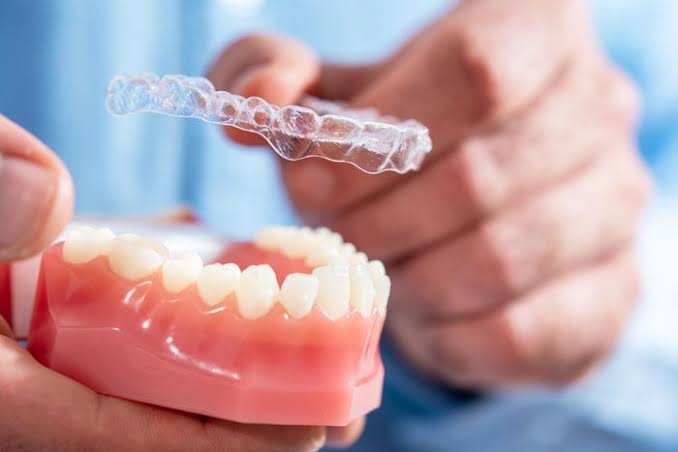
First stage: consultation and 3D digital scanning
Your journey begins with a detailed consultation with an orthodontic specialist, followed by an intraoral 3D scan that produces a highly accurate digital model of your mouth.
No molds. No uncomfortable impressions. No physical discomfort.
In some cases, CBCT imaging is also used to evaluate roots and bone structure with high precision.
Second stage: digital treatment plan and approval
This is the stage most patients appreciate the most: seeing the result before starting.
Using ClinCheck®, a 3D simulation shows how your teeth will move step by step until the final result. You review it, ask questions, adjust if needed, and approve.
After approval, aligners are manufactured by Align Technology.
Third stage: receiving aligners and starting treatment
You receive your first set of aligners along with instructions for use and hygiene.
Small attachments may be placed on some teeth to help guide movement. These are barely visible and removed after treatment.
Fourth stage: follow-up and remote monitoring
Many follow-ups can be done remotely, especially for international patients. Progress is monitored, and additional aligners can be delivered if needed.
Fifth stage: retention phase
After treatment, a custom retainer is created to maintain results. Teeth naturally tend to shift back, especially in the first year, making retention essential.
Invisalign and adults: why it fits modern lifestyles
Professional and social considerations
Adults working in professional environments prefer a discreet solution. Invisalign allows treatment without visible braces and can be removed for important events.
Travel flexibility
No emergency wire issues. No frequent urgent visits. Just continue your aligner schedule anywhere in the world.
Psychological impact
Research in social psychology consistently shows that improved dental alignment increases confidence and self-image.
Why many choose Invisalign in Turkey
High-quality medical technology
Clinics in Istanbul use advanced scanning, CBCT imaging, and ClinCheck software comparable to top global standards.
Cost advantage
Treatment in Turkey can be 40–60% cheaper than in Western Europe or Gulf countries due to economic differences, not quality reduction.
All-inclusive experience
Flights, accommodation, and treatment together make Turkey a practical destination for dental tourism.
Oral care during Invisalign treatment
Daily cleaning
Aligners should be cleaned twice daily using a soft brush and mild soap. Hot water must be avoided.
Eating and drinking rules
Only water should be consumed while wearing aligners. All food and colored drinks require removal of aligners.
First days of each aligner
Mild pressure is normal. Starting a new aligner before sleeping helps reduce discomfort.
Invisalign vs traditional braces
Invisalign vs Traditional Braces
| Category | Invisalign | Traditional Braces |
|---|---|---|
| Appearance | Nearly invisible | Visible metal |
| Removability | Removable | Fixed |
| Comfort | Smoother | Possible irritation |
| Cleaning | Easier | More complex |
| Follow-ups | Less frequent | More frequent |
| Complex cases | Moderate cases only | All cases |
| Treatment preview | Yes | No |
Golden Tips for Best Results
| Tip |
|---|
| Wear aligners consistently for 20–22 hours daily |
| Treat dental issues before starting |
| Keep previous aligners as backup |
| Use retainers long-term after treatment |
Invisalign and Cosmetic Dentistry: What Comes First?
Orthodontic treatment should always come before cosmetic procedures like veneers. Proper alignment ensures better aesthetic and functional results.
Frequently asked questions
Is Invisalign painful?
It causes mild pressure, not pain, especially during the first days of each aligner.
How long does treatment take?
Between 6 and 18 months depending on case complexity.
Is it suitable for adults?
Yes, it is widely used by adults worldwide.
How do I clean aligners?
With a soft brush and lukewarm water, twice daily.
Do I need to travel to Turkey for all visits?
No, many follow-ups can be done remotely.
Conclusion
Invisalign is not only an aesthetic choice but also a long-term investment in oral health and confidence.
Crowded or misaligned teeth increase the risk of decay and gum disease. The good news is that modern treatment is accessible, predictable, and more comfortable than ever.
If you are considering treatment, the first step is a professional consultation to evaluate your case and preview your expected result before committing.
Contact us today and get the best offer!