Last updated: October 2026
This content was written and reviewed by Lerra Clinic’s Medical Content Department.
Dental implant warranties in Turkey generally consist of two separate layers: the implant manufacturer’s warranty and the treating clinic’s warranty covering the clinical work and restorations.
A warranty covers the replacement of a component that fails, subject to written terms and conditions, but it does not guarantee the biological outcome inside the mouth.
This is why a written 15-year warranty matters: its terms are specific and verifiable.
A dental implant is an artificial tooth root, usually made of titanium, that is placed in the jawbone to support a crown or bridge. Dental implants are generally suitable for adults who have lost one or more teeth and have sufficient bone to support the implant.
Table of Contents
What Is a Dental Implant Warranty in Turkey, and What Does It Cover?
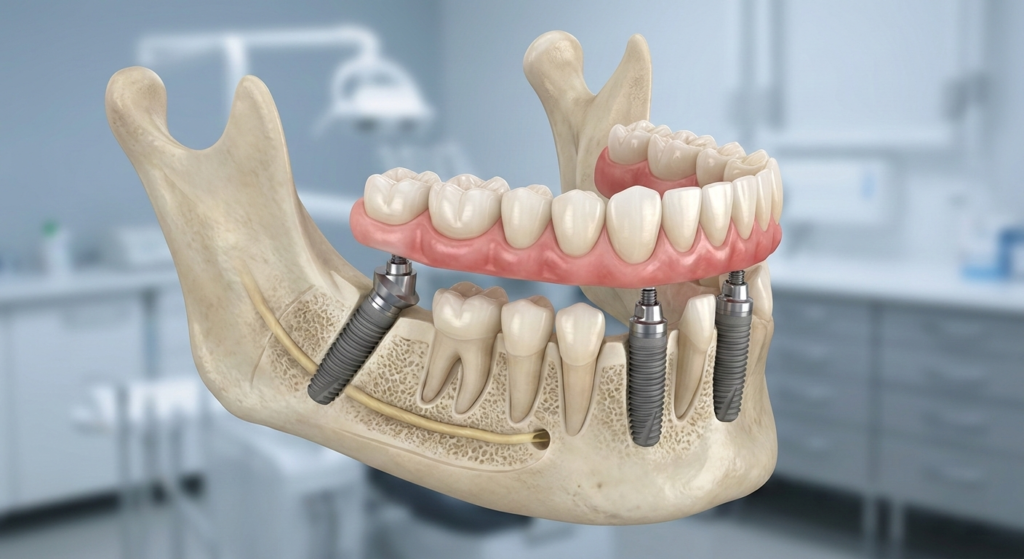
A dental implant warranty in Turkey is a written commitment from the clinic, the manufacturer, or both to repair or replace implant components—the implant fixture, abutment, and crown—free of charge or at a reduced cost for a specified period, subject to clearly defined terms and conditions.
A dental implant warranty does not mean that the body is guaranteed to accept the implant in every case.
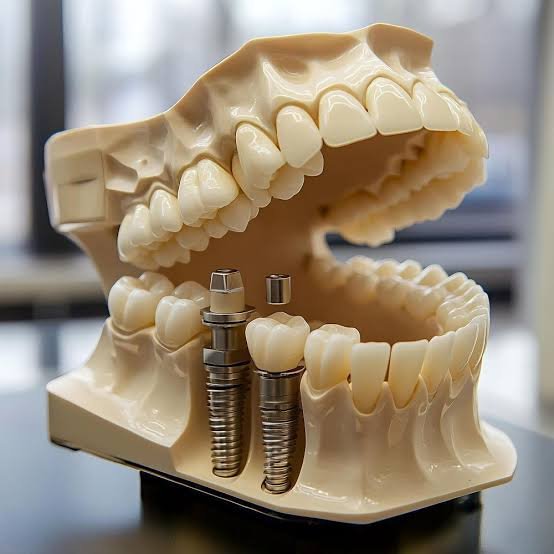
A dental implant consists of three parts: the implant fixture placed in the jawbone, the abutment that connects the fixture to the crown, and the visible crown itself.
Each component often has a different warranty period, so the statement “the implant is guaranteed” is insufficient without further details.
For full-arch restorations using the All-on-4 technique, the complete bridge must also have a clearly defined warranty period.
To learn more about the treatment stages and available options, see our Guide to Dental Implants in Turkey.
What Is the Difference Between a Manufacturer’s Warranty and a Clinic Warranty?
The main difference is that the manufacturer’s warranty covers the implant device itself, meaning that a replacement implant fixture or abutment may be provided according to the manufacturer’s claim procedures. The clinic’s warranty, on the other hand, covers the clinical work and restorations and may sometimes include the cost of repeat treatment.
Neither warranty typically covers travel expenses.
Manufacturers differ in their warranty periods and claims procedures. These conditions should therefore be checked in the manufacturer’s own warranty documentation rather than relying solely on the treatment quotation.
| Warranty Type | Issued By | What It Typically Covers | What It Typically Excludes | Documents to Keep |
|---|---|---|---|---|
| Implant manufacturer’s warranty | The manufacturer | A replacement implant fixture or abutment | Dentist’s fees, travel expenses, and usually the crown | Implant card and serial number |
| Clinic warranty for clinical work and restorations | The treating clinic | Repeat treatment and crown or bridge replacement, subject to the terms | Negligence, accidents, and modifications performed at another clinic | Written warranty certificate and treatment plan |
| Complication or travel insurance, if available | An insurance company | Certain complication-related or travel expenses, depending on the policy | Anything explicitly excluded by the policy | Insurance policy documents |
If you are offered a recognised implant system, such as Swiss Straumann Dental Implants, request the manufacturer’s warranty documentation alongside the clinic’s warranty certificate, and keep both documents.
Why Is a 15-Year Warranty an Important Indicator?
A 15-year warranty is an important indicator because studies of modern dental implants report survival rates of approximately 93–96% after 10 years. A 15-year dental implant warranty extends beyond the follow-up period covered by most of these studies.
However, a 15-year warranty reflects genuine confidence only when its terms are clearly defined in writing.
According to a systematic review published in 2019 that included 18 studies, the 10-year implant survival rate was 96.4%.
When patients lost to follow-up were also accounted for, the estimated survival rate decreased to 93.2%.
Do Dental Implants Really Last a Lifetime?
Dental implants can last for decades or even a lifetime if patients maintain good oral hygiene and attend regular check-ups. However, the crown attached to an implant wears down through chewing and may need to be replaced before the implant itself.
The risk of implant loss increases with age, smoking, and untreated gum disease.
Most crowns and bridges last approximately 15 years, a period comparable to the duration of the written warranty itself.
In the systematic review mentioned above, the implant survival rate among patients over the age of 65 decreased to 91.5%.
To understand the factors that can lead to implant loss, read our article on the causes of dental implant failure.
Lifetime Warranty vs. a Written 15-Year Warranty: What Is the Difference?
In practice, a “lifetime warranty” differs from a warranty with a fixed term:
- Lifetime warranty: It often covers only the implant fixture itself and is subject to conditions that may not be mentioned in the advertisement.
- Written 15-year warranty: It specifies a clearly defined period that can be measured and is easier to reference when making a claim.
- In both cases: The real value lies in the written terms and in knowing whether the warranty also covers the abutment and crown.
What Does a Dental Implant Warranty Cover, and What Does It Exclude?
A dental implant warranty typically covers the replacement of an implant that fails to integrate with the bone, or a broken abutment or damaged crown under normal conditions of use, within the stated warranty period.
Dental implant warranties generally do not cover flights or accommodation, routine cleaning, or damage resulting from an accident or failure to follow aftercare instructions.
Typically covered:
- Failure of the implant to integrate with the bone during the warranty period.
- Abutment breakage or crown damage that occurs without an external cause.
Typically not covered:
- Travel and accommodation for additional treatment visits.
- Routine cleaning and regular maintenance.
- Damage resulting from an accident or facial trauma.
Since crowns wear out faster than implants, it is worth understanding the lifespan of dental crowns before comparing warranty periods.
Does Having a Warranty Mean That Implant Success Is Guaranteed?
Having a warranty does not guarantee the success of dental implant treatment. A warranty is a financial and service commitment to repair a problem or replace a component if an issue arises; it is not a promise of a particular medical outcome.
Implant success depends on the amount and density of the available bone, the patient’s overall health, the accuracy of surgical planning, and the patient’s adherence to post-treatment care instructions.
When Does a Dental Implant Warranty Become Invalid?
A dental implant warranty often becomes invalid when the patient breaches the written terms or when damage occurs for reasons unrelated to the quality of the implant or the clinical work, such as neglect, accidents, or intervention by another clinic.
Six common circumstances may affect warranty coverage and should be understood before signing:
- Missing scheduled follow-up appointments.
- Neglecting oral hygiene and cleaning around the implant.
- Smoking or having conditions such as uncontrolled diabetes without disclosing them to the dentist.
- Being involved in an accident or sustaining facial trauma.
- Having the dental work modified at another clinic without the treating clinic’s approval.
- Having a medical condition for which the dentist has already explained that a successful outcome cannot be guaranteed.
Lerra Clinic explains that uncontrolled diabetes, poor oral hygiene, and untreated gum disease may make implant treatment unsuitable, while smoking can interfere with healing.
For more information about these circumstances, read our article on conditions that may make dental implants unsuitable.
How Can You Verify a Dental Implant Warranty Before Travelling to Turkey?
To verify a dental implant warranty before travelling to Turkey, request the written warranty terms, confirm the implant system’s name and serial number, check that the facility is licensed for health tourism by the Turkish Ministry of Health, and establish in advance who will oversee your care if complications arise after you return home.
The British Oral Health Foundation recommends that anyone considering treatment abroad ask important questions before travelling, including whether the treatment is guaranteed, how long the guarantee lasts, and who will cover additional travel or repair costs if a problem occurs.
According to the International Health Tourism and Tourist Health Regulation issued by the Turkish Ministry of Health on 13 July 2017, health tourism services may only be provided by facilities holding an International Health Tourism Authorisation Certificate. Further information is available in a statement from Aydın Adnan Menderes University.
Before booking, send the following eight questions in writing and keep the responses for your records:
- What is the name of the implant system, and in which country is it manufactured?
- Will I receive the implant’s serial number or implant card?
- How long is the warranty for the implant, and how long is the warranty for the crown? Please specify each separately.
- Who issues the warranty: the clinic or the manufacturer?
- What conditions could invalidate the warranty?
- Who pays for travel and accommodation if I need to return for additional treatment?
- Does the facility hold an International Health Tourism Authorisation Certificate?
- Whom should I contact after returning home, and which medical records and X-rays will I receive?
For further information on related considerations, read our article on the safety of dental implants in Turkey.
Which Signs Require Medical Attention After Dental Implant Surgery?
Some pain and swelling are expected during the first few days after surgery. However, the following signs warrant contacting your dentist:
- Pain or swelling that worsens after the first few days instead of improving.
- Pus coming from the implant site or swelling of the surrounding gum tissue.
- An elevated body temperature.
- Movement of the implant or a feeling that it has become loose.
- Bleeding from the gum tissue around the implant.
- Persistent numbness or tingling in the lip, chin, or gums.
Persistent numbness is often associated with nerve injury during surgery.
The osseointegration phase, during which the bone fuses with the implant, typically takes around 3 to 9 months.
| Stage | Approximate Duration | What to Do to Maintain Your Warranty |
|---|---|---|
| Post-surgery recovery | Approximately one week | Follow your dentist’s instructions and take prescribed medication as directed. |
| Osseointegration | Approximately 3–9 months | Avoid smoking and attend scheduled follow-up appointments. |
| Final crown placement | After healing is complete | Keep your warranty certificate and medical records. |
| Long-term follow-up | As recommended by your dentist | Keep written records of every follow-up appointment. |
With conventional implant loading protocols, this may mean two trips to Turkey: one for implant placement and another for the final crown.
How Does Lerra Clinic Handle Dental Implant Warranties?
Lerra Clinic is a medical tourism company based in Istanbul. Treatment is provided at partner clinics and hospitals that hold the required medical tourism authorisation.
Under this model, the warranty certificate is generally issued by the treating facility or the implant manufacturer, depending on the type of warranty.
Patients are therefore advised to request written warranty details from the issuing party before travelling.
For more information, visit our Dental Implant Treatment in Turkey page.
Frequently Asked Questions About Dental Implant Warranties in Turkey
Do Dental Implants in Turkey Come with a Lifetime Warranty?
Some clinics in Turkey offer lifetime warranties on dental implants. However, these warranties often cover only the implant fixture itself and may be subject to conditions such as attending regular check-ups and maintaining good oral hygiene.
The abutment and crown usually have shorter warranty periods. Therefore, request the full warranty terms in writing and confirm which components are covered before comparing treatment offers.
How Long Does a Dental Implant Warranty Usually Last?
Dental implant warranty periods vary from one clinic to another, and the warranty for the implant fixture is often longer than the warranty for the crown attached to it.
There is no single standard warranty period across all clinics. Ask for the warranty duration of each component separately, confirm who issues the warranty, and check the conditions that must be met to keep it valid.
What Happens If My Dental Implant Fails After I Return to My Home Country?
If your implant fails after you return home, the next steps will depend on the written warranty terms.
Some warranties cover implant replacement if you return to the original clinic, but they generally do not cover travel and accommodation expenses.
Start by contacting the treating clinic and sending your X-rays and medical reports. Do not have the implant or restoration modified at another clinic before obtaining written approval.
Does the Warranty Cover Zirconia Crowns on Dental Implants?
A warranty may cover zirconia crowns placed on dental implants, but the warranty period is usually separate from that of the implant fixture itself because the crown is directly exposed to chewing forces and wear.
Ask for the crown’s warranty period to be explicitly stated in the warranty certificate, including any exclusions, such as fractures resulting from an accident.
Does the Warranty Cover Flights and Accommodation?
In most cases, warranties do not cover flights or accommodation, as they generally apply only to the components and clinical work provided by the clinic.
If travel expenses are included in an offer, this coverage should be clearly documented in the warranty certificate or a separate insurance policy. The applicable circumstances and coverage limits should also be specified.
Does My Warranty Remain Valid If I Visit a Dentist in My Home Country?
The warranty will often remain valid if your visits to a dentist in your home country are limited to routine examinations and cleaning. However, having the implant or crown modified by another dentist without the treating clinic’s prior approval may invalidate the warranty.
The written warranty terms are the definitive reference, so check them before undergoing any procedure and keep records of every dental appointment.
Conclusion
A dental implant warranty in Turkey is not a single document but may consist of several layers of coverage issued by different parties: the manufacturer, the clinic, and sometimes an insurance company.
The practical rule is simple: request the written terms for each component separately, including the warranty period, the party responsible, and the circumstances that could invalidate the warranty.
To review your treatment plan and warranty details before making a decision, you can book your free consultation with the Lerra Clinic team.
Contact us today and get the best offer!