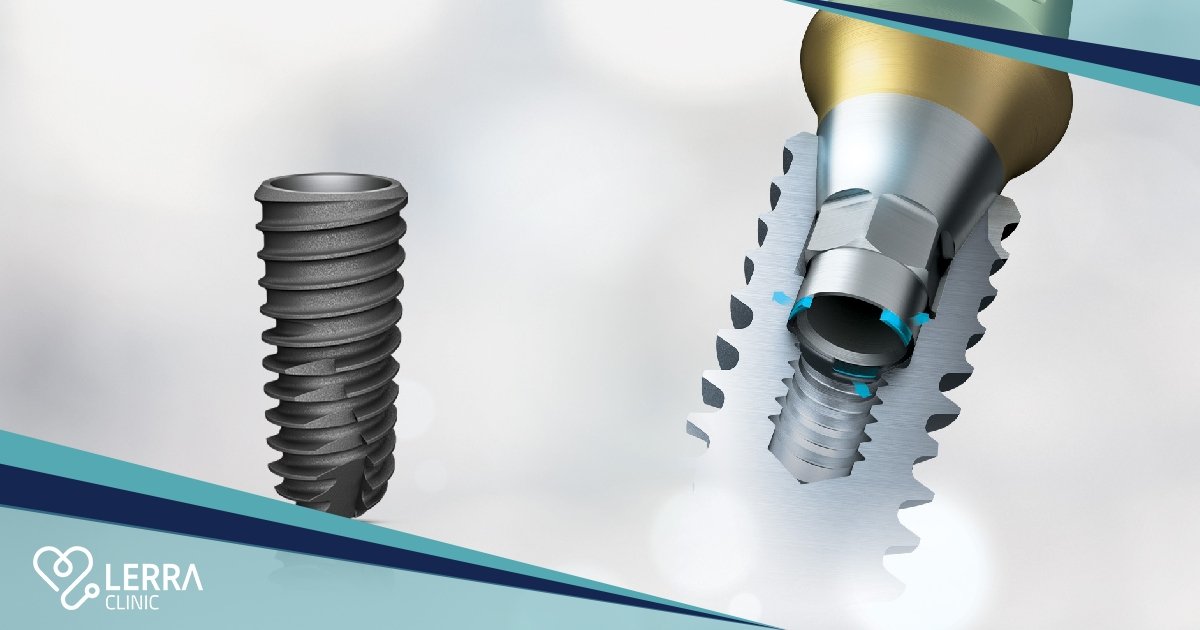
Last updated: October 2026
This content was written and reviewed by the Medical Content Department at Lerra Clinic.
The difference between Osstem and Neodent dental implants begins with their manufacturers. Osstem is a South Korean company founded in 1997, while Neodent is a Brazilian company wholly owned by the Straumann Group.
Both systems use titanium implants and have published clinical data. They differ in connection design, surface treatment, their focus on immediate-loading protocols, and price range. The dentist determines which option is most suitable after reviewing a CT scan.
A dental implant is a fixture placed in the jawbone to replace the root of a missing tooth. It supports an abutment and then a crown or bridge. Dental implants are suitable for people who have lost one or more teeth and have adequate bone to support the implant.
Table of Contents
What Are Osstem and Neodent Dental Implants?
Our guide to dental implants in Turkey explains the general treatment process and its cost. Here, we focus specifically on the differences between Osstem and Neodent among the dental implant systems available.
South Korean Osstem Implants: What Sets Them Apart?
Osstem implants are manufactured by Osstem Implant, a South Korean company founded in 1997. Its TS system is one of its flagship implant systems.
The surfaces of TS implants are typically treated using SA technology, which involves sandblasting followed by acid etching. This process creates a microscopically rough surface that helps the bone integrate with the implant.
Is Neodent Owned by Straumann?
Yes. Neodent is a Brazilian company founded in 1993 in Curitiba. It is now wholly owned by the Swiss Straumann Group. However, its implants are manufactured in Brazil rather than being Swiss-made products.
Neodent’s leading current product lines include the Grand Morse system and the Helix GM implant, which features a specially treated surface known as Acqua.
Neodent differs from Straumann Dental Implants at Lerra Clinic in its product lines and price range, even though both brands belong to the same group.
What Is the Difference Between Osstem and Neodent Dental Implants?
The difference between Osstem and Neodent dental implants can be summarized in four key areas: country of origin and parent company, the connection design between the implant and abutment, the system’s suitability for immediate-loading protocols, and price range.
Both systems have published clinical studies. The following table summarizes the comparison based on verifiable criteria.
| Criterion | Osstem | Neodent |
|---|---|---|
| Country of origin and parent company | South Korea; Osstem Implant | Brazil; Straumann Group |
| Best-known system | TS | Grand Morse / Helix GM |
| Surface treatment | SA (sandblasting and acid etching) | Acqua (hydrophilic surface) |
| Implant–abutment connection type | Varies by model | 16° Morse taper connection with platform switching |
| Published clinical data | Cumulative survival rate of 95.37% after 7 years (467 implants) | Survival rate of 95.4% with a mean follow-up of approximately 30 months (4,783 implants) |
| Price range in Turkey | Varies by model | Varies by model |
| Availability of components and follow-up care outside Turkey | Varies by country | Varies by country |
A Morse taper connection refers to securing the abutment inside the implant through a tight conical interface. Research has associated this design, combined with platform switching, with better preservation of the bone around the implant.
Do Osstem and Neodent Dental Implants Have Different Success Rates?
It is not possible to conclude definitively that Osstem and Neodent dental implants have different success rates, because the published figures for each system come from studies that differ in design, patient populations, and follow-up periods.
Both systems have demonstrated high survival rates. However, patient-related factors such as smoking, diabetes, bone quality, and oral hygiene have a greater influence on outcomes than the brand name alone.
- Osstem: A study published in 2014 at Seoul National University Bundang Hospital followed 467 implants in 105 patients and reported a cumulative survival rate of 95.37% after seven years. The study included older TS models, and the results were influenced by implant diameter, loading duration, and bone grafting.
- Neodent: A study published in 2025 at the ILAPEO Institute in Curitiba reviewed 4,783 Helix GM implants in 1,215 patients, with a mean follow-up of approximately 30 months. It reported a survival rate of 95.4%. The study was retrospective and funded by the manufacturer.
The similarity between these figures does not mean the two systems are equivalent. An accurate comparison would require a single study evaluating both systems in comparable patient populations. We did not find such a study among the sources we reviewed.
Which Is More Suitable for Your Case: Osstem or Neodent?
No single implant system is suitable for every case. Choosing between Osstem and Neodent is a decision made by the dentist after a clinical examination and cone-beam computed tomography (CBCT) scan, taking into account bone density and volume, the type of case, the loading plan, and the budget.
Therefore, it would not be appropriate to describe either system as superior to the other in all situations.
Treatment is provided at partner clinics and hospitals licensed for medical tourism. When you are assessed through our Dental Implant – Lerra Clinic the dentist evaluates the following factors:
- Bone density and volume, including whether bone grafting is needed.
- Whether immediate loading is required.
- Whether the treatment involves a single tooth or a full arch.
- Your budget.
- The country where follow-up care will take place after your return.
When Does a Dentist Choose Neodent for Immediate Loading?
The Helix GM features a hybrid design, with a cylindrical upper section and a tapered lower section, intended to achieve high primary stability across different bone types.
In the ILAPEO Institute study of 4,783 Helix GM implants, insertion torque exceeded 32 N·cm in more than 70% of the implants. The researchers considered this value sufficient to allow immediate loading, although the threshold varies between protocols.
The final decision still depends on the actual stability achieved during surgery and the nature of the patient’s bite.
Read more about What Are Immediate Dental Implants?
When Is Osstem a Suitable Option?
Osstem offers several implant designs and surface treatments. The dentist selects the appropriate model based on bone density, tooth location, and the loading plan, whether immediate or delayed.
Therefore, ask your dentist to explain why the proposed model is the right choice for your specific case.
How Much Do Osstem and Neodent Dental Implants Cost in Turkey?
The estimated cost of Osstem and Neodent dental implants in Turkey ranges from $500 to $1,000 per implant, including the abutment and crown. Both systems fall within this price range, depending on the case, the type of crown, and any additional procedures required.
The final price is determined after a clinical examination and diagnostic imaging.
Factors that can affect the cost include:
- The need for bone grafting.
- Sinus lift surgery.
- The material chosen for the crown.
- The number of implants required.
To compare options based on your budget, see our guide to Affordable Dental Implants in Turkey
How Many Trips to Turkey Are Needed for Osstem or Neodent Dental Implants?
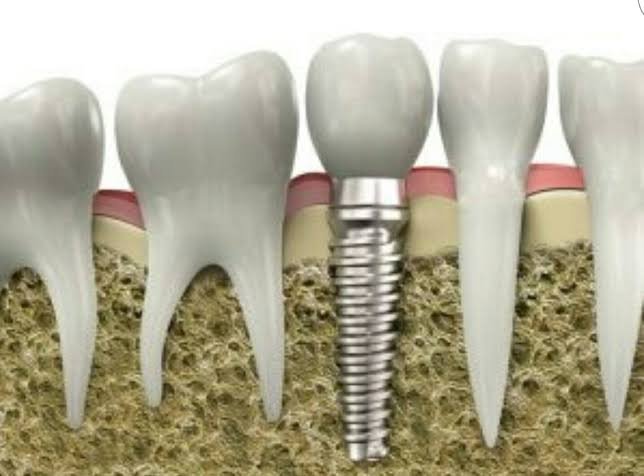
Osstem and Neodent dental implant treatment typically requires two trips to Turkey. During the first visit, the implant is placed. This is followed by a healing and osseointegration period lasting several months in your home country. During the second visit, the abutment and final crown are fitted.
Immediate loading may allow you to receive temporary teeth during the first visit, but it does not eliminate the need for a second visit in most cases.
- Consultation and submission of X-rays.
- First visit: CBCT imaging and implant placement.
- Healing and osseointegration: The implant integrates with the bone while you are in your home country.
- Second visit: Placement of the abutment and final crown.
- Routine follow-up: Ongoing monitoring as recommended by your dentist.
| Stage | Approximate Duration | Location |
|---|---|---|
| Consultation | A few days | Remotely |
| First visit | Determined by the treatment plan | Turkey |
| Osseointegration | Several months | Your home country |
| Second visit | Determined by the treatment plan | Turkey |
| Routine follow-up | As recommended by the dentist | Your home country |
After the abutment is placed, the gums typically need at least two weeks to heal before the crown can be fitted. This period may be longer if extensive bone grafting is required.
For more details, see our guide to how long dental implants take in Turkey.
What Are the Risks of Dental Implants, and Who May Not Be Suitable for Treatment?
The following risks apply equally to Osstem and Neodent implants because they are associated with the surgical procedure and the patient’s health rather than the brand itself.
What Complications Can Occur After Implant Surgery?
Complications are uncommon and are often treatable. They include:
- Infection around the implant.
- Damage to nearby teeth or blood vessels.
- Nerve injury, potentially causing pain or numbness in the gums, lips, or chin.
- Sinus complications involving implants placed in the upper jaw.
- Failure of osseointegration, in which case the implant is removed and another attempt may be possible after approximately three months.
A further long-term complication is peri-implantitis, an infection affecting the tissues surrounding the implant. The ILAPEO Institute study also identified it as a potential cause of implant loss if left untreated.
For more information, read our guide to the causes of dental implant failure.
Who Is Not a Suitable Candidate for Dental Implants?
The following conditions are associated with lower implant survival rates. Some do not necessarily rule out treatment but may require prior assessment or management:
- Uncontrolled diabetes.
- Smoking.
- Untreated gum disease.
- Treatment with intravenous antiresorptive bone medications.
- Insufficient bone volume when bone grafting is not feasible.
- Previous radiation therapy to the head and neck, which requires special assessment.
- Incomplete jawbone growth.
For further information, see our guide to When Should You Avoid Implants?
When Should You Contact Your Dentist Immediately After Implant Surgery?
Mild swelling, bruising, pain, and slight bleeding are normal during the first few days after surgery.
However, the following symptoms require immediate contact with your dentist:
- Bleeding that does not stop despite applying pressure.
- A fever.
- Swelling or pain that worsens after the first few days.
- Pus or a foul taste in the mouth.
- Numbness that persists after the anesthetic has worn off.
- A sensation that the implant is loose or moving.
What Should You Ask Before Agreeing to an Implant System?
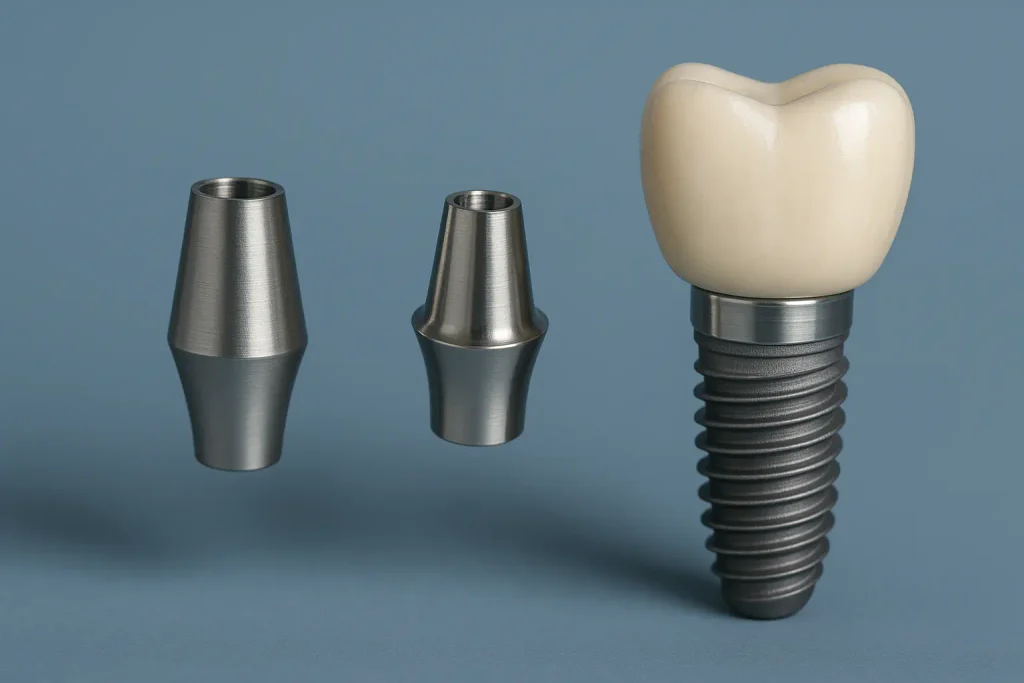
Before accepting any treatment offer, request the following information in writing:
- Implant identification card: Manufacturer, model, diameter, length, and lot number.
- Product certification: Relevant certifications and approvals, such as the CE marking.
- Written warranty terms.
- Local distributor availability: Confirm that a distributor in your home country can supply replacement components in the future.
- Post-treatment follow-up: Establish who will monitor your condition after you return home.
Conclusion
The differences between Osstem and Neodent dental implants are genuine and relate to their origins, connection designs, surface treatments, and suitability for immediate loading. However, these differences do not mean that one system is the best choice for every patient.
Both systems have published clinical data, and the final choice should be made after diagnostic imaging, an assessment of bone quality and quantity, and consideration of where follow-up care will take place.
Send us your dental X-rays and details of your treatment quote, then book a free consultation to have your case assessed.
Frequently Asked Questions
Are Osstem Dental Implants Good?
Yes. Osstem is a well-established dental implant system with published clinical data. A Korean study involving 467 implants in 105 patients reported a cumulative survival rate of 95.37% after seven years. However, this result applies to specific implant models and patients. The success of your implant also depends on bone quality, the dentist’s experience, your oral hygiene practices, and regular follow-up care.
Is Neodent Swiss or Brazilian?
Neodent is a Brazilian company headquartered in Curitiba, and its implants are manufactured in Brazil. However, it is wholly owned by the Swiss Straumann Group. Therefore, the most accurate description is that Neodent is a Brazilian brand belonging to a Swiss group, rather than a Swiss-made product. Always ask for the model name and implant identification card to confirm exactly which implant will be placed.
Are Neodent Dental Implants the Same as Straumann Implants?
No. Neodent and Straumann are two distinct brands within the same group, each with its own product lines, designs, and price range. Being part of the same corporate group does not make a Neodent implant a Straumann implant. Your treatment quote should clearly specify the brand and model rather than using a general description that combines the two names.
Can Osstem or Neodent Implants Be Monitored in My Home Country After Returning from Turkey?
In most cases, yes, provided an authorized distributor is available in your country and you can find a dentist who works with the same implant system. Abutments, screws, and instruments differ between systems.
Before traveling, confirm that a local distributor is available and keep your implant identification card, which should include the manufacturer, model, diameter, length, and lot number. This will make future follow-up and maintenance easier.
Are Cheap Dental Implants in Turkey Safe?
Price alone is not an indicator of safety. More importantly, the implant should be from a verifiable brand and supplied with clear identification documentation. Treatment should take place at a facility licensed for medical tourism, and you should receive a written treatment plan covering diagnostic imaging, warranty terms, and follow-up care.
Request these documents before agreeing to any treatment offer, regardless of the price.
How Long Do Osstem and Neodent Dental Implants Last?
Osstem and Neodent implants are designed to last for many years, but no dental implant comes with a lifetime guarantee. Their actual lifespan depends on daily oral hygiene, regular dental checkups, avoiding smoking and biting hard objects such as ice, and treating teeth grinding if present. Bone condition and overall health also play important roles.
Is Dental Implant Surgery Painful?
Dental implant surgery is usually performed under local anesthesia. Sedation or general anesthesia may also be used, depending on the case, so sharp pain is not expected during the procedure.
After surgery, mild swelling, bruising, pain, and slight bleeding are normal for a few days. These symptoms can usually be managed with medication prescribed by your dentist. Contact your dentist if they worsen.
Contact us today and get the best offer!