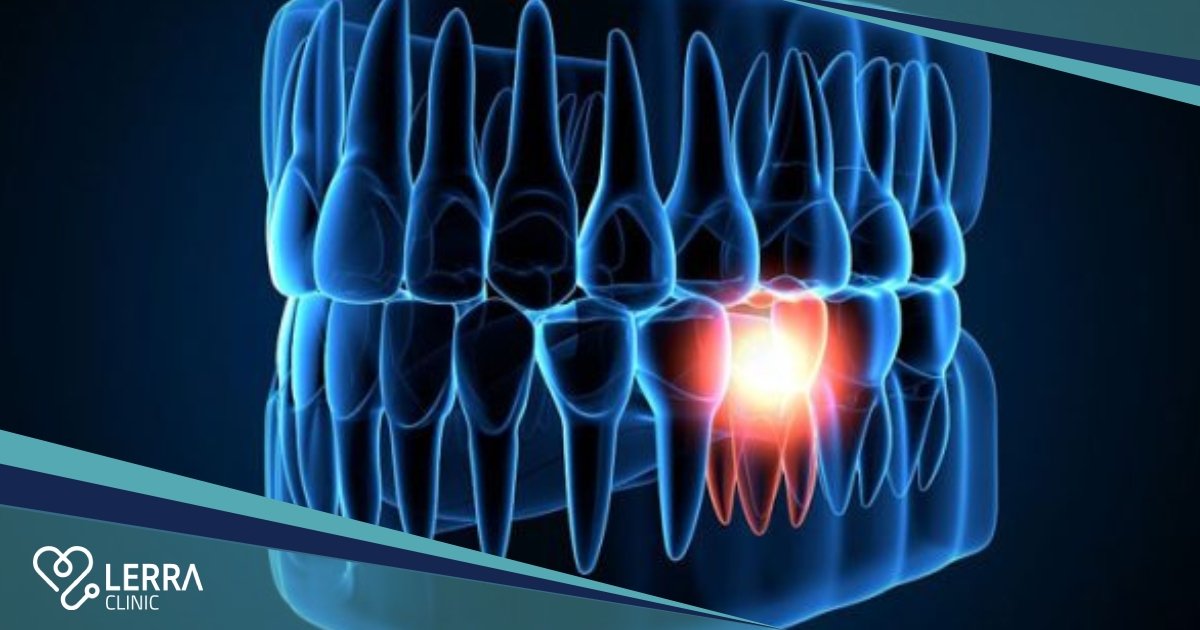
When a patient is considering veneers, zirconia crowns, or a comprehensive Hollywood Smile makeover, the accuracy of the initial measurements becomes the foundation on which every subsequent step is built.
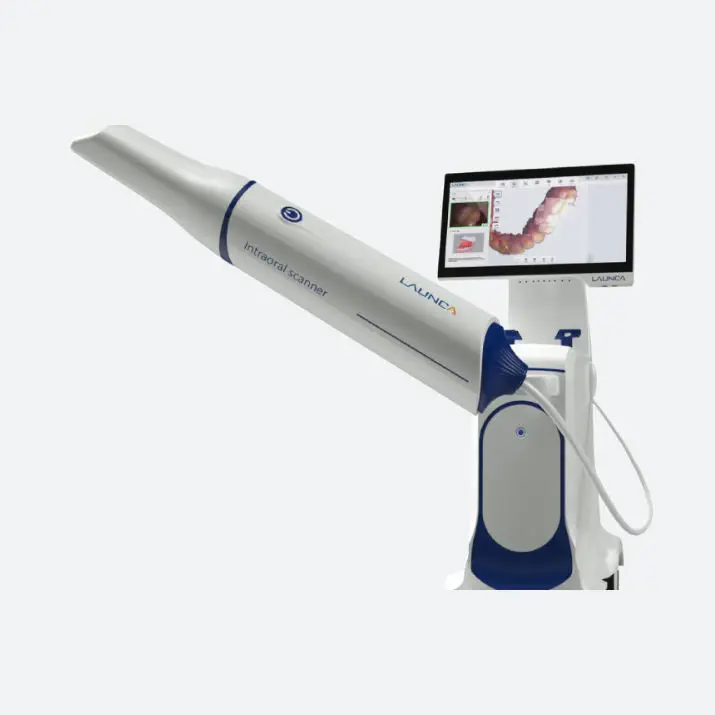
Some partner clinics working with Lerra Clinic’s dental treatments use the latest generation of intraoral digital scanning technology. This system replaces the traditional physical impression with a digital scanning process.
In this article, rather than repeating detailed explanations of each treatment individually, we will explore how this type of scanning affects the accuracy of veneers and zirconia crowns, as well as the final outcome of a Hollywood Smile. We will also look at what this means in practical terms for international medical tourists traveling to Turkey—most often to Istanbul, which is where the majority of the country’s medical tourism facilities are concentrated.
The examination and treatment are carried out at an accredited partner facility operating under Turkey’s medical tourism licensing framework, while Lerra Clinic coordinates the journey, interpretation, and follow-up care.
Table of Contents
What Is Intraoral Digital Scanning?
Intraoral digital scanning is a system that uses a small camera passed over the teeth and gums to capture thousands of images per second. These images are then immediately combined to create an accurate three-dimensional model that appears on a screen in front of the patient.
This is fundamentally different from a traditional dental impression. With the conventional method, a metal impression tray is filled with silicone or alginate material and placed in the patient’s mouth for several minutes until the material sets. The impression is then sent to a laboratory, where a plaster model is produced from it.
Digital scanning completely eliminates this intermediate stage. The data is transferred directly in digital format to the laboratory or computer-aided manufacturing system, without the use of a physical material that could shrink or become distorted during processing.
This difference in methodology is one of the reasons why modern digital scanning systems continue to be studied for their accuracy compared with conventional impression techniques, as we will see when considering their application to veneers and zirconia crowns.
How Digital Scanning Improves Veneer Accuracy
The final result of veneers and Lumineers depends directly on the accuracy of the measurements used to design the ceramic veneer. Even a minor deviation in the initial measurements can later appear as a tiny gap between the veneer and the tooth surface or as a slight difference in shape when the veneer is fitted.
Because digital scanning relies on direct digital data without an intermediate plaster-model fabrication stage, it reduces the number of steps in which cumulative errors can potentially occur.
Digital Intraoral Scanning Accuracy vs. Traditional Impressions
Traditional impressions involve a series of physical steps: impression material, plaster casting, and drying. Each step carries the possibility of minor distortion caused by shrinkage, air bubbles, or other processing factors.
Digital scanning, by contrast, records the surface directly as a stable digital model. A comprehensive scientific review comparing the findings of multiple studies on the accuracy of intraoral scanners found that newer-generation devices were among the most accurate for full-arch measurements. The review also reported a notable reduction in appointment time and improved patient comfort compared with conventional impressions, although accuracy in partially edentulous and completely edentulous arches remains a limiting factor.
This does not mean that digital scanning is superior in every situation. Some studies still report advantages for conventional impressions in specific circumstances, such as complex full-arch cases involving many teeth. However, for an individual or limited number of veneers, the practical balance will generally favor digital accuracy.
Reducing the Margin of Error When Fitting Veneers
A smaller measurement error directly affects how closely the veneer adapts to the natural edge of the tooth, potentially reducing the need for manual adjustments after placement.
A clinical study comparing the accuracy and consistency of two types of intraoral scanners in actual patient measurements found that the newer-generation scanner demonstrated greater accuracy and consistency than the older device in full-arch measurements, although it remained below the accuracy previously reported for conventional impressions.
In practical terms, this means that a veneer designed from an accurate digital scan will often require fewer adjustments during the fitting appointment, which can have a positive effect on both patient comfort and appointment duration.
The Role of Digital Scanning in Improving Zirconia Crown Accuracy
The same principle of accuracy applies to zirconia crowns in detail. The quality of the final crown depends on how accurately it matches the prepared tooth in terms of shape, margins, and its relationship with the adjacent and opposing teeth.
Clinical supervision for this type of treatment, as part of the partnership with LRC Dental Clinic, includes monitoring the digital workflow from the scanning stage through to the final manufacture of the crown.
Integration with Computer-Aided Crown Manufacturing (CAD/CAM)
Once the digital scan is complete, the data is transferred directly to computer-aided design software, where the crown is digitally designed before being sent to a milling or printing unit for manufacturing from a solid zirconia block.
A clinical study comparing the accuracy of several digital scanning systems—including a newer-generation device—with conventional alginate impressions for full-arch measurements found that digital scanners demonstrated greater accuracy than traditional alginate techniques. The study also identified notable differences between individual scanners, particularly in the molar and premolar regions.
This supports the broader principle that reducing the number of intermediate steps between measurement and manufacturing tends to improve consistency in the final result, although the level of accuracy varies depending on the CAD/CAM system and the specific clinical case.
Improving Crown Fit and Reducing the Need for Adjustments
When the initial measurements are accurate, there is less likelihood of tiny gaps appearing at the crown margin or of unbalanced contact points with the opposing teeth during the initial try-in.
In practical terms, this can mean shorter adjustment appointments and, in some cases, avoiding the need to manufacture the crown again from scratch. For a medical tourist planning their trip around a fixed schedule, this difference has genuine practical importance rather than being merely a technical detail.
The Impact of Digital Scanning on Hollywood Smile Results
Because a comprehensive Hollywood Smile treatment typically combines veneers and crowns within a unified treatment plan for the entire smile, the accuracy of digital scanning has a broader impact here.
It affects the consistency of shape, color, and symmetry across multiple teeth simultaneously rather than focusing on a single isolated tooth.
Digital Smile Planning in Advance
One of the major benefits of this technology in Hollywood Smile cases is the ability to create a preliminary preview of the expected final appearance based on the three-dimensional model.
This allows the medical team and patient to discuss the proposed design—including the width-to-length ratio, degree of whiteness, and smile line—before actual tooth preparation begins, rather than waiting until a later stage of treatment to see an approximate result.
Reducing the Number of Measurement and Try-In Appointments
Because medical tourists often plan their stay around a limited period of time, any reduction in the number of appointments required for measurements and try-ins has immediate practical value.
Digital scanning, thanks to its high accuracy and the ability to rescan immediately without causing the patient the discomfort of another physical impression, can often reduce the need for repeated correction appointments compared with a workflow based entirely on conventional impressions.
This is a practical benefit that is rarely highlighted by sources discussing the technology purely from a technical perspective.
The Patient Experience During Digital Scanning
Beyond technical accuracy, there is another aspect that is equally important to the patient: how they feel during the examination itself.
A More Comfortable Alternative to Traditional Impressions
Many patients complain of nausea or discomfort when an impression tray filled with impression material is placed in their mouth, particularly when the posterior part of the jaw is being recorded.
Digital scanning replaces this process with a small, lightweight camera that is passed over the teeth. No material comes into contact with the throat or creates a sensation of blockage, making it a more comfortable alternative for most patients—particularly those who are known to have a sensitive gag reflex.
Viewing the 3D Model and Discussing the Treatment Plan
Immediately after scanning is completed, the three-dimensional model can be displayed on a screen in front of the patient. This allows the medical team to explain clinical observations visually rather than relying solely on verbal descriptions.
This direct visual communication can help patients understand the proposed treatment plan more clearly and gives them an opportunity to ask questions based on what they can actually see on the screen.
Steps Involved in Digital Scanning at the Partner Clinic
The examination and scanning are performed at an accredited partner facility, typically in Istanbul, within the framework of Turkey’s medical tourism licensing system. Meanwhile, the Lerra Clinic team coordinates arrival arrangements, interpretation during the appointment, and post-examination follow-up.
Before the Scanning Appointment
The medical team performs an initial examination of the mouth and teeth and explains the next step and its expected duration to the patient.
No special preparation or fasting is required.
During the Scanning Appointment
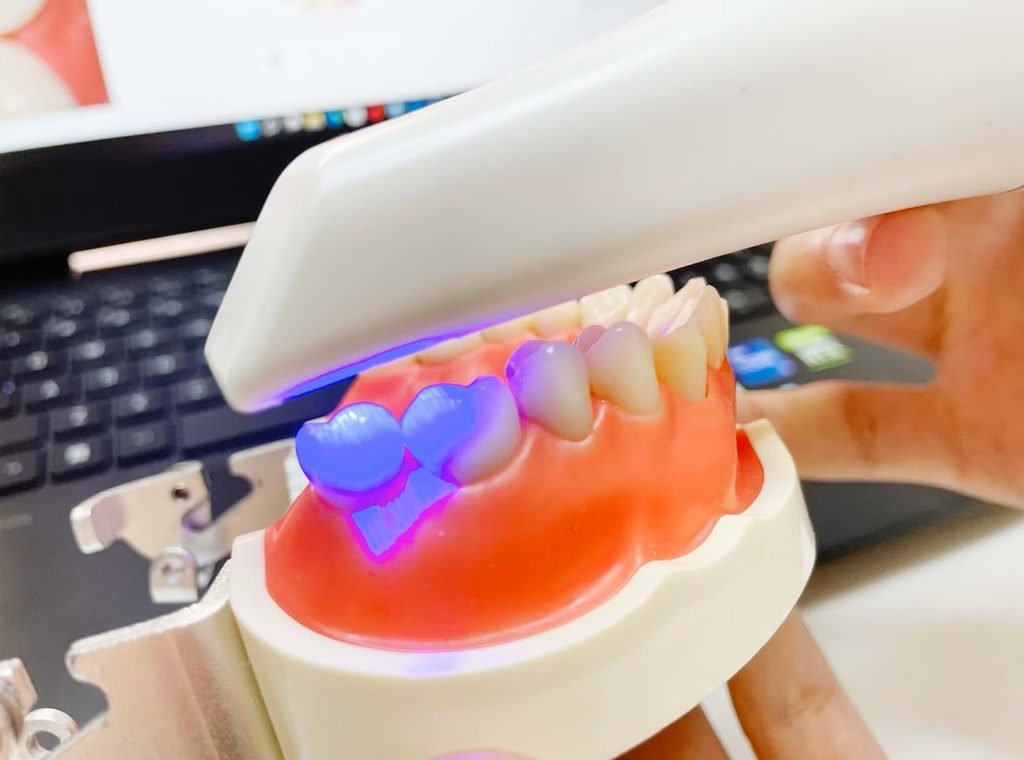
The scanner head is moved sequentially over the upper and lower teeth while the data appears on the screen in real time.
A complete scan typically takes only a few minutes, depending on the number of teeth that need to be scanned.
After the Scan: Sending the Data to the Laboratory
Once the scan is complete and all required details have been checked for clarity, the digital files are sent directly to the laboratory or manufacturing unit.
The design stage for the veneers or crown can then begin using the captured digital data.
Does This Technology Affect the Cost of Treatment?
The total cost of veneers, crowns, or a Hollywood Smile varies according to several factors, and it is best to confirm the exact price directly with the clinic team after the patient’s case has been evaluated.
In most cases, digital scanning is an integral part of the comprehensive treatment package offered to medical tourism patients rather than a separate additional fee added to the basic cost. However, this should always be confirmed when receiving the final quotation.
Factors Affecting the Overall Cost
The total cost is influenced by the number of teeth requiring treatment, the type of material used—such as zirconia, full ceramic, or conventional veneers—the number of days of accommodation, and whether the package includes hotel accommodation and transportation.
The measurement technique itself is usually a secondary factor compared with these primary variables when determining the final price.
Traditional Impressions vs. Digital Scanning
| Criteria | Traditional Impression | Digital Scanning (Latest Generation) |
|---|---|---|
| Accuracy | Good, and sometimes superior in complex full-arch cases | High for partial and individual measurements, with variation depending on the case |
| Appointment time | Relatively longer, including waiting for the material to set | Usually shorter, with immediate results displayed on screen |
| Patient comfort | May cause discomfort or a gagging sensation | More comfortable for most patients |
| Number of visits | May require re-taking the impression if the material contains an error | Allows immediate rescanning without additional discomfort |
In Terms of Accuracy
There is no single scanning device that is superior in every scenario.
While some studies demonstrate better performance by modern scanners in limited measurements or partial arches, some research continues to indicate advantages for conventional impressions in complex full-arch cases or completely edentulous arches.
The practical conclusion is that selecting the most appropriate method remains a clinical decision based on each individual patient’s condition.
In Terms of Patient Comfort and Appointment Time
The difference is more clearly in favor of digital scanning in this respect. A number of studies agree that patients tend to prefer the digital scanning experience in terms of comfort, while the actual appointment time can also be reduced compared with waiting for conventional impression material to set.
Frequently Asked Questions
Is Digital Scanning Used for All Dental Treatments at Lerra Clinic?
No. It is primarily used for treatments that require highly accurate measurements, such as veneers, zirconia crowns, and Hollywood Smile treatments.
Some other cases may not require digital scanning, and the medical team determines the most appropriate approach after a direct examination.
Is Digital Scanning Painful or Uncomfortable?
No. It is a non-invasive and painless procedure and does not require physical impression material to come into contact with the throat as with a traditional impression.
For this reason, most patients find it more comfortable, particularly those who are sensitive to gagging.
How Long Does a Full-Mouth Digital Scan Take?
A complete scan usually takes only a few minutes.
The exact duration varies depending on the number of teeth that need to be scanned and how cooperative the patient is during the appointment.
Can Digital Scanning Reduce the Number of Days I Need to Stay in Turkey?
It may contribute indirectly by reducing the need for repeated correction or measurement appointments.
However, the total length of stay remains dependent on other factors, including the type of treatment and the number of teeth involved. It is best to confirm the treatment schedule directly with the medical team before traveling.
Is There an Additional Fee for Using This Technology?
In most cases, digital scanning is included as part of the comprehensive treatment package without a separate fee.
However, this varies according to the final quotation, so patients are advised to ask about it explicitly when contacting the clinic before booking.
Can I See the Expected Result Before Starting Treatment?
Yes. The three-dimensional model generated by digital scanning can provide a preliminary preview of the expected appearance of veneers or crowns before actual tooth preparation begins.
This is something the medical team can discuss directly with the patient during the appointment.
What Is the Difference Between Digital Scanning and Traditional Impressions in Terms of Accuracy?
Traditional impressions rely on a physical material that may shrink or become distorted during processing, whereas digital scanning records the data directly as a stable digital model.
Some studies demonstrate greater accuracy with digital scanning for limited measurements, while conventional impressions remain preferable in certain complex full-arch and completely edentulous cases.
Is This Technology Suitable for People Who Are Sensitive to Traditional Impressions?
Yes. It is considered a suitable alternative specifically for this group because it does not require any impression material to be placed in the mouth.
As a result, it largely avoids the gag reflex commonly associated with conventional impressions.
Conclusion
Modern intraoral digital scanning represents a valuable supporting tool that can improve the accuracy of the measurements on which the results of veneers, zirconia crowns, and Hollywood Smile treatments are based. It can also reduce the need for repeated correction appointments and improve patient comfort during the examination.
The final clinical decision regarding the most appropriate method for each case remains with the qualified medical team.
All of these procedures are carried out at an accredited partner facility operating under Turkey’s medical tourism licensing framework, while Lerra Clinic’s role is limited to coordinating the journey, providing interpretation, and arranging subsequent follow-up.
To find out whether this technology is suitable for your specific case, you can book your free consultation now, read reviews from previous patients, or explore real before-and-after results.
Contact us today and get the best offer!